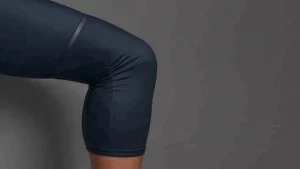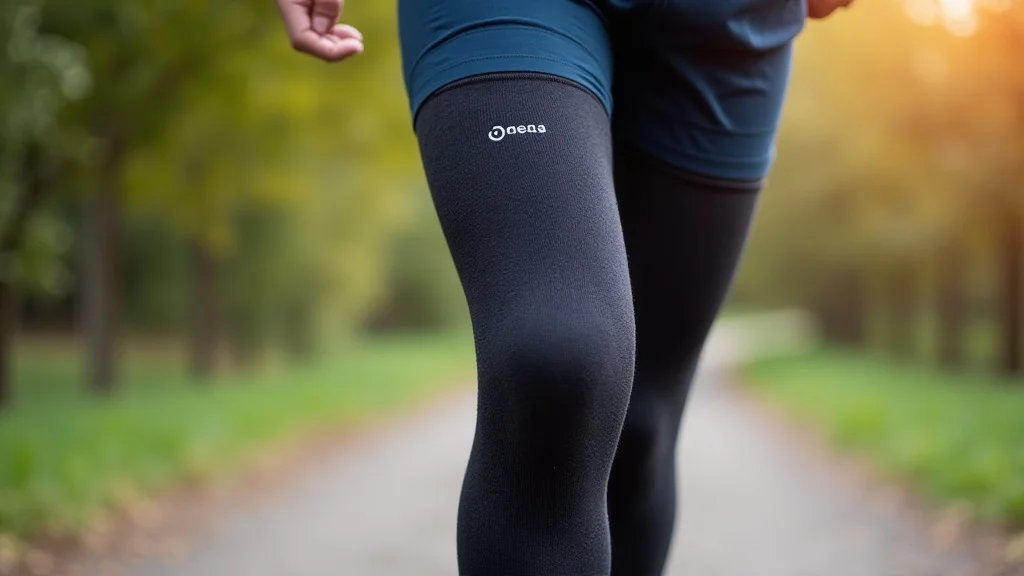
Picture this: You’re halfway through your favorite hike, and suddenly, a familiar ache flares in your knee. Or maybe you’re at the gym, pushing yourself a little harder, and you feel that nagging discomfort. Many of us experience knee issues, whether from exercise, daily activities, or simply the passage of time. The good news? Solutions exist. This post explores the advantages of one compress bamboo knee sleeves and how they can potentially offer support and relief. You’ll gain valuable insights into their construction, benefits, and proper usage. By the end, you’ll know if these sleeves are right for you, thus increasing your knowledge and time on page.
Key Takeaways
- Learn about the unique properties of bamboo in knee sleeves.
- Discover how one compress bamboo knee sleeves can potentially alleviate knee pain and promote recovery.
- Understand the correct way to wear and care for your knee sleeves.
- Explore the various activities for which these sleeves are suitable.
- Find out the potential benefits for athletes and individuals with joint issues.
- Get answers to common questions about bamboo knee sleeves.
Unveiling the Advantages of Bamboo Knee Sleeves
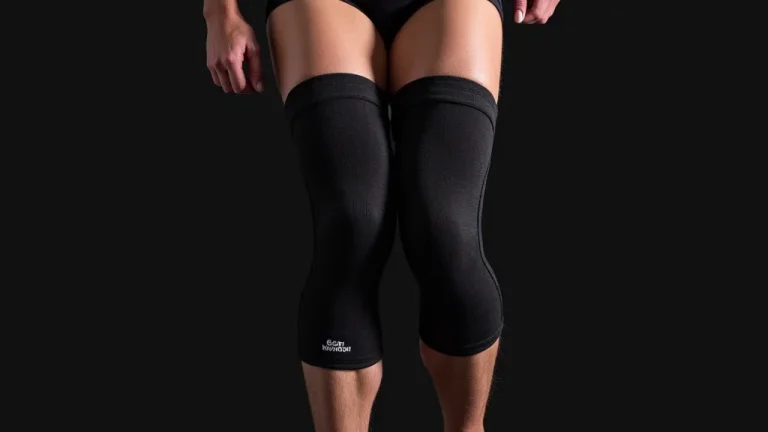
Knee sleeves have become increasingly popular for people of all ages and activity levels. They provide support, stability, and potential pain relief. However, not all knee sleeves are created equal. This section explores why one compress bamboo knee sleeves are a compelling option. We will examine the unique properties of bamboo fabric and their potential benefits compared to other materials. You’ll find out what makes bamboo a suitable choice for knee support, considering comfort, support, and overall performance.
The Magic of Bamboo Fabric
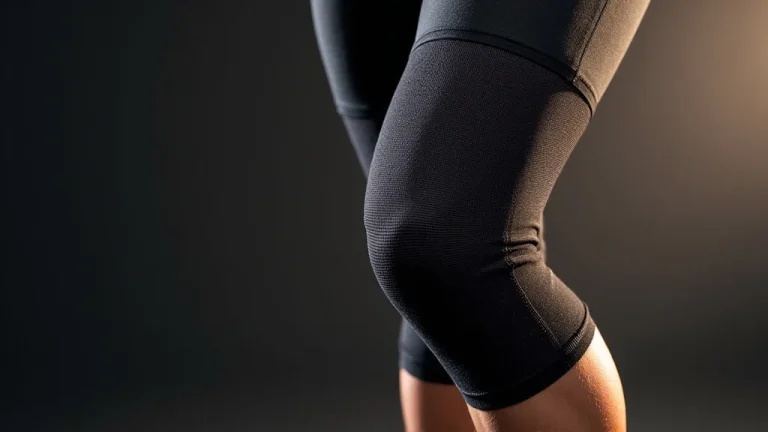
Bamboo fabric is a textile crafted from bamboo plants. Its popularity has soared in recent years due to its eco-friendly nature and performance characteristics. The manufacturing process involves pulping bamboo and turning it into a fine fiber, which is then spun into yarn. The resulting fabric is naturally soft, breathable, and surprisingly strong. Bamboo also has inherent properties that make it a good material for activewear, including moisture-wicking and antibacterial qualities. These are essential features in knee sleeves, where managing sweat and preventing odors can increase comfort and hygiene.
- Softness and Comfort: Bamboo fabric is exceptionally soft, making it comfortable against the skin. This can be especially important for knee sleeves, which are worn directly on the skin for extended periods. The smooth texture reduces friction and prevents chafing, enhancing the overall wearing experience.
- Breathability and Moisture-Wicking: Bamboo is highly breathable and has excellent moisture-wicking capabilities. This means it allows air to circulate, keeping the knee cool and dry, even during intense activity. It also pulls sweat away from the skin, preventing the build-up of moisture, which is especially beneficial when exercising or in warm weather.
- Antibacterial Properties: Bamboo contains a natural antibacterial agent called “bamboo kun.” This agent can help inhibit the growth of bacteria, which in turn reduces odors and helps keep the knee sleeve fresh. This is particularly valuable for those who are prone to skin irritation or have sensitivities.
- Eco-Friendly Production: Bamboo is a sustainable resource because it grows rapidly and requires little water or pesticides. Opting for bamboo products supports environmentally friendly practices.
Compression Benefits and Support
Beyond the material, the compression aspect of these sleeves is worth exploring. Compression can offer several benefits for the knee. It promotes blood flow, potentially reducing swelling and providing support to the joint. The level of compression is carefully balanced to offer benefits without restricting movement or causing discomfort. This section looks at how the compression feature of one compress bamboo knee sleeves can benefit you. We’ll consider the specific benefits for athletes and individuals recovering from injuries.
- Enhanced Blood Flow: Compression helps to enhance blood circulation in the knee area. Improved blood flow delivers more oxygen and nutrients to the muscles and tissues, which can aid in recovery and reduce muscle fatigue. The increased blood flow can also assist in flushing out metabolic waste products, potentially decreasing post-exercise soreness.
- Pain Relief and Swelling Reduction: Compression can reduce swelling and pain by promoting lymphatic drainage. This helps to remove fluid that may have accumulated around the knee joint. The pressure can also stimulate nerve endings, which may interfere with pain signals.
- Joint Support and Stability: The compressive design provides support to the knee joint, which can help stabilize the patella (kneecap) and provide a sense of security during movement. This support is especially beneficial during activities that place high demands on the knee.
- Improved Proprioception: Compression can improve proprioception, which is the body’s awareness of its position and movement in space. This heightened awareness can lead to better balance and coordination, reducing the risk of further injury.
Comparing Bamboo to Other Materials
While various knee sleeve materials exist, such as neoprene, nylon, and spandex, bamboo offers a unique set of qualities. Each material has its advantages and disadvantages. This section provides a straightforward comparison of bamboo to other materials. We’ll explore the advantages of bamboo over more commonly used materials, considering factors such as breathability, comfort, and sustainability.
| Material | Pros | Cons | Best For |
|---|---|---|---|
| Bamboo | Soft, breathable, moisture-wicking, antibacterial, eco-friendly | May not offer as much compression as neoprene, can stretch out over time | Comfortable support, moderate activity, sensitive skin |
| Neoprene | High compression, good support, durable, water-resistant | Can trap heat, may cause skin irritation, less breathable | High-impact activities, heavy support, water activities |
| Nylon/Spandex | Durable, good compression, flexible | Can trap heat, less breathable than bamboo, may cause irritation | Everyday use, moderate to high activity |
Choosing and Wearing Your Knee Sleeve
Selecting the right knee sleeve and wearing it properly can maximize the benefits and ensure a comfortable experience. This section guides you through the process of selecting the correct size, wearing your knee sleeve, and using it in different situations. We provide straightforward advice to help you get the most out of your one compress bamboo knee sleeves.
Selecting the Proper Size
Choosing the correct size is essential for a good fit and effective support. A knee sleeve that is too tight can restrict circulation, while one that is too loose will not provide adequate support. This section explains how to measure your knee correctly and use size charts to identify the perfect fit. Proper fit helps ensure you experience the full benefits of the sleeve.
- Measure Your Knee: Use a flexible measuring tape to measure the circumference of your knee. Measure around the center of your kneecap while your leg is straight. Make sure the tape is snug but not too tight. Take this measurement and refer to the size chart provided by the manufacturer.
- Consult the Size Chart: Each manufacturer has a size chart specific to their product, so consult the chart provided with your knee sleeve. The size chart will usually correlate the knee circumference measurement to a specific size, such as small, medium, large, or extra-large.
- Consider Your Needs: Some sleeve designs offer a more snug fit, while others are designed for a balance of support and comfort. If you want more support, you might select a size that is slightly tighter. If you are between sizes, consider your preferences and the level of support you need.
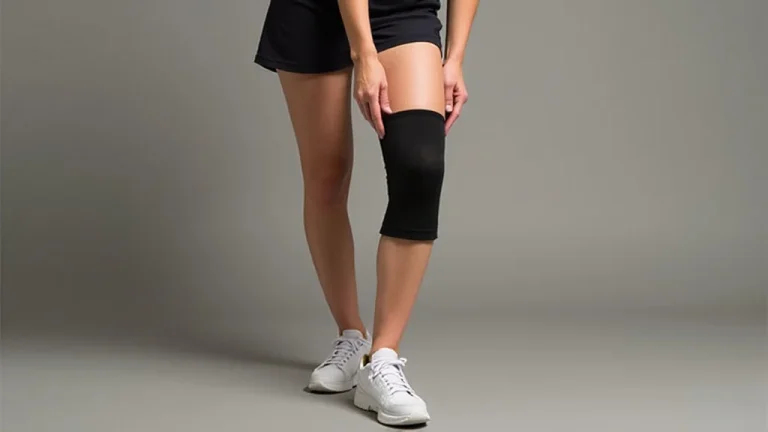
- Check the Fit: Once you receive your sleeve, try it on to make sure the fit is correct. The sleeve should be snug but should not cut off circulation. You should be able to bend your knee comfortably and move without restriction.
Putting on Your Knee Sleeve
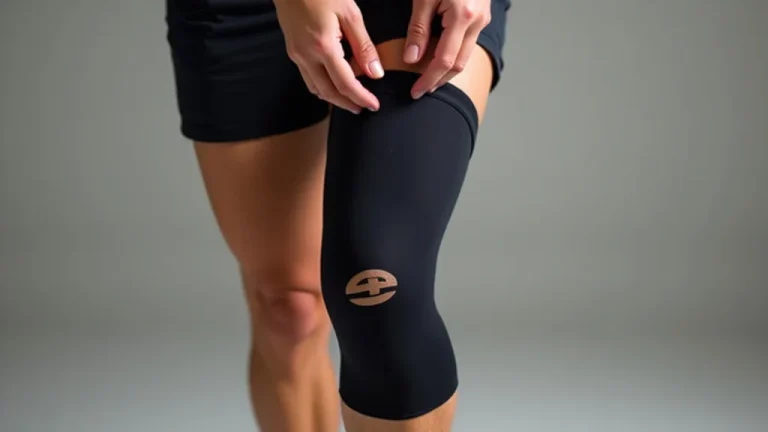
Putting on your knee sleeve correctly is vital for comfort and performance. This section explains the proper way to put on a one compress bamboo knee sleeve. We’ll give you step-by-step instructions to ensure a secure fit.
- Prepare Your Leg: Make sure your knee is clean and dry. Avoid applying any lotions or creams to the area where the sleeve will be worn, as these can affect the sleeve’s grip.
- Position the Sleeve: Gently roll or slide the sleeve up your leg, starting from the ankle. Ensure the sleeve is oriented correctly, with the wider end towards your thigh and the narrower end towards your calf.
- Center the Kneecap: Once the sleeve is partially in place, make sure the kneecap is centered within the sleeve. The sleeve should fit comfortably around the entire knee joint, providing even compression.
- Smooth Out Wrinkles: Carefully smooth out any wrinkles or folds to ensure the sleeve lies flat against your skin. Uneven compression or folds can cause discomfort.
- Check the Fit: Walk around and bend your knee to assess the fit. The sleeve should stay in place and not slip down or bunch up. You should feel comfortable, with no pinching or excessive pressure.
Incorporating Knee Sleeves into Your Activities
You can incorporate one compress bamboo knee sleeves into various activities to potentially provide support and aid recovery. This section explores how to use knee sleeves during exercise, daily activities, and rehabilitation. This section provides advice for different situations to maximize the benefits.
- During Exercise: Knee sleeves can be worn during various workouts, including running, weightlifting, and sports. The compression can provide support, reduce muscle fatigue, and potentially improve performance.
- Daily Activities: Knee sleeves can be worn throughout the day to support the knee joint during daily tasks, such as walking, climbing stairs, or prolonged standing. This is particularly helpful for those with minor knee issues or those who want to prevent discomfort.
- Rehabilitation: Knee sleeves can be part of a rehabilitation program following an injury or surgery. They offer support and stability, potentially aiding the healing process. Consult with a medical professional to ensure the sleeves align with your physical therapy plan.
- Consider Your Activity: The best knee sleeve for you depends on the activity you’ll be doing. For example, athletes might consider a sleeve with a bit more compression than someone needing support during walking.
Caring for Your Knee Sleeve
Correct care and maintenance are crucial for keeping your knee sleeve in good condition and extending its lifespan. This section explains how to wash, dry, and store your one compress bamboo knee sleeves. By following these easy care instructions, you can maintain the sleeve’s effectiveness and hygiene.
Washing Your Knee Sleeve
Regular washing ensures that your knee sleeve remains clean and maintains its performance. The gentle washing properties of bamboo make maintenance easy. This section provides simple instructions on washing your knee sleeve safely. These measures help to maintain the sleeve’s hygiene and effectiveness.
- Hand Wash or Gentle Cycle: The best way to wash your bamboo knee sleeve is by hand. Fill a basin with lukewarm water and add a mild detergent. Soak the sleeve for a few minutes and gently rub the fabric to remove dirt and sweat. If using a washing machine, use the gentle cycle and cold water to protect the fibers.
- Use Mild Detergent: Use a mild, hypoallergenic detergent to avoid irritating your skin or damaging the fabric. Avoid detergents with harsh chemicals, bleach, or fabric softeners, as these can degrade the bamboo fibers and reduce the sleeve’s effectiveness.
- Rinse Thoroughly: Rinse the sleeve well to remove all traces of detergent. Soap residue can irritate your skin or reduce the breathability of the fabric. Rinse until the water runs clear.
- Avoid Stiff Brushes: Avoid using stiff brushes or abrasive materials, as these can damage the bamboo fabric and reduce its effectiveness.
Drying and Storage
Proper drying and storage are important to keep your knee sleeve in good condition. Improper drying can damage the fabric and affect its shape and compression. This section outlines how to dry and store your knee sleeve. These are straightforward steps to extend the life of your sleeve.
- Air Dry: The best method to dry your bamboo knee sleeve is to air dry it. Lay it flat on a clean, dry surface, or hang it in a well-ventilated area. Avoid direct sunlight, as it can fade the fabric. Do not tumble dry, as this can damage the fibers and cause shrinkage.
- Avoid Heat: Never use a heat source, such as a dryer or a radiator, to dry your knee sleeve. Heat can damage the bamboo fibers and cause the sleeve to lose its shape and compression.
- Proper Storage: When not in use, store your knee sleeve in a clean, dry place. Avoid storing it in direct sunlight or in damp environments, as these conditions can promote mold or mildew growth.
Common Myths Debunked
There are many misconceptions about knee sleeves. This section debunks some common myths about one compress bamboo knee sleeves. Separating fact from fiction helps in making an informed decision about these sleeves.
Myth 1: Knee Sleeves Weaken Knee Muscles
Many believe wearing knee sleeves will cause muscles to weaken, leading to dependence on the sleeve. In reality, knee sleeves provide support and compression, which can actually help support and assist the muscles during exercise or daily activities. They are not designed to take over the function of the muscles but instead work in conjunction with them. However, if used as a substitute for exercise, this could potentially weaken the muscles.
Myth 2: All Knee Sleeves Are the Same
People often think that all knee sleeves are identical. However, knee sleeves vary widely based on material, compression level, and design. One compress bamboo knee sleeves are unique because of the fabric properties. They are designed for different purposes and activities, from everyday support to high-impact sports. Selecting the proper sleeve depends on your specific needs.
Myth 3: Knee Sleeves Cure Knee Problems
A common misconception is that knee sleeves can cure all knee problems. While knee sleeves can provide support, reduce pain, and improve comfort, they are not a cure for underlying knee conditions. They can be a helpful tool in managing symptoms and supporting the knee during activity.
Myth 4: Knee Sleeves Are Only for Athletes
It’s thought that knee sleeves are only for professional athletes or those involved in high-intensity sports. Knee sleeves can be beneficial for anyone, including those with joint issues, individuals recovering from injuries, or those looking for extra support during daily activities. They provide comfort and support.
Myth 5: You Should Wear Knee Sleeves All the Time
Some assume they must wear their knee sleeves all day. It’s not necessarily required. The use of knee sleeves varies based on individual needs and activity levels. Consult with a medical professional to determine the appropriate usage of knee sleeves for your specific condition or activity level.
Frequently Asked Questions
Question: Are bamboo knee sleeves suitable for all activities?
Answer: Bamboo knee sleeves are suitable for a wide range of activities, from everyday tasks to moderate exercise. However, they may not provide the same level of support as neoprene sleeves for high-impact activities.
Question: How long can I wear a knee sleeve each day?
Answer: You can generally wear your bamboo knee sleeve for as long as you feel comfortable, but it’s important to remove it periodically to allow your skin to breathe and to check for any irritation or discomfort.
Question: Can I wear a knee sleeve while sleeping?
Answer: It’s usually safe to wear a knee sleeve while sleeping, but it’s best to remove it to allow the skin to breathe. If you experience discomfort or if your knee feels too restricted, remove the sleeve before bed.
Question: How often should I replace my knee sleeve?
Answer: The lifespan of a knee sleeve depends on how often it’s used, how well it’s cared for, and the quality of the materials. Typically, replace your sleeve every six months to a year, or sooner if it loses its compression or support.
Question: Can I wash my knee sleeve in a washing machine?
Answer: Washing by hand is preferable, but you can wash the sleeve in a machine using a gentle cycle and cold water. Always avoid harsh detergents, bleach, and fabric softeners, and let it air dry.
Final Thoughts
One compress bamboo knee sleeves offer a range of potential benefits. Their softness, breathability, and moisture-wicking properties enhance comfort during activity. They potentially provide support, reduce swelling, and promote better blood flow. They are not a cure, and choosing the proper size and taking good care of the sleeve will maximize its effectiveness and lifespan. Consider incorporating these sleeves into your routine if you are seeking support or relief from knee discomfort. Remember to consult a doctor or physical therapist if you have any questions or are experiencing chronic knee pain. Embrace the potential comfort and support these sleeves may offer, and experience how they might make a positive difference in your daily life and activities.