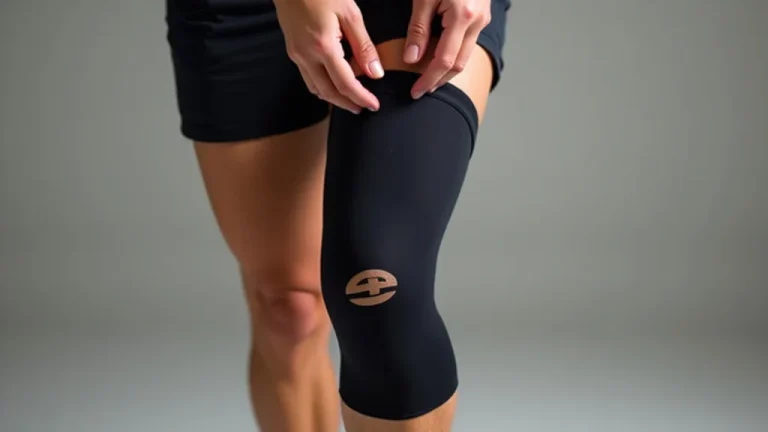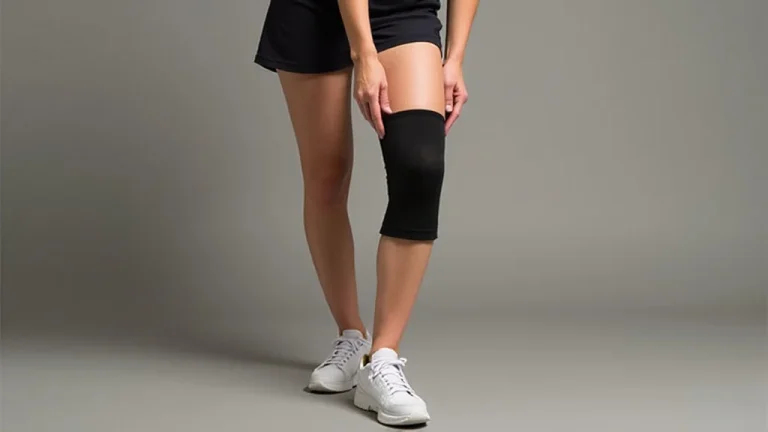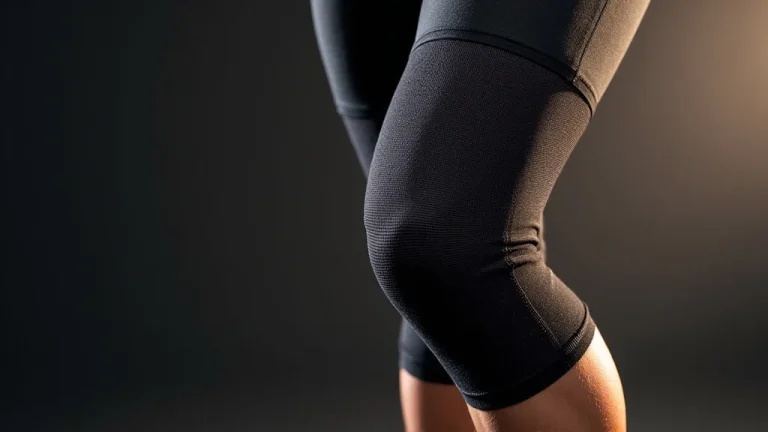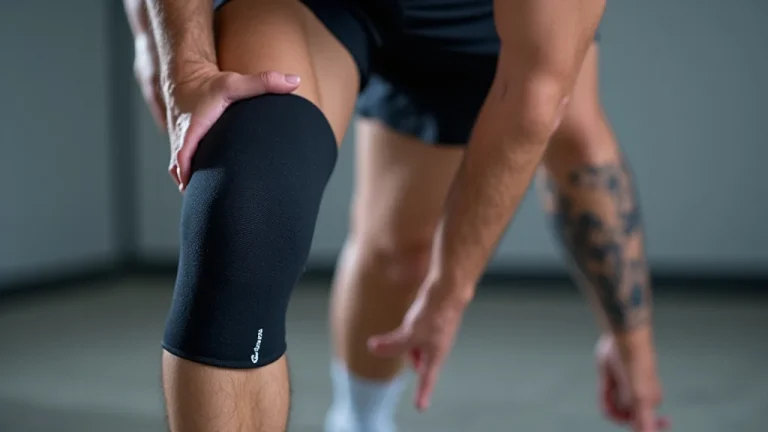
You’re at the gym, pumped to hit a new personal best on your squat. You rack the weight, take a deep breath, and descend. Suddenly, a twinge in your knee. Sound familiar? Many lifters have experienced this, and it can be a real setback. That’s where knee sleeves for weightlifting come in. They aren’t just for show; they can make a real difference in your performance and injury prevention. This post will explore the benefits, types, and how to choose the right knee sleeves to help you stay on track and lift with confidence. By the end, you’ll know exactly what to look for and how to use them effectively to improve your weightlifting experience.
Key Takeaways
- Knee sleeves can offer support and compression for improved performance.
- Different materials and thicknesses provide various levels of support and warmth.
- Proper sizing is essential for the sleeves to function correctly.
- Knee sleeves can improve proprioception and joint stability.
- Regular use of knee sleeves helps with injury prevention.
- Learning the proper care and maintenance extends the life of your sleeves.
The Advantages of Knee Sleeves for Weightlifting
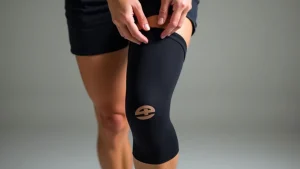
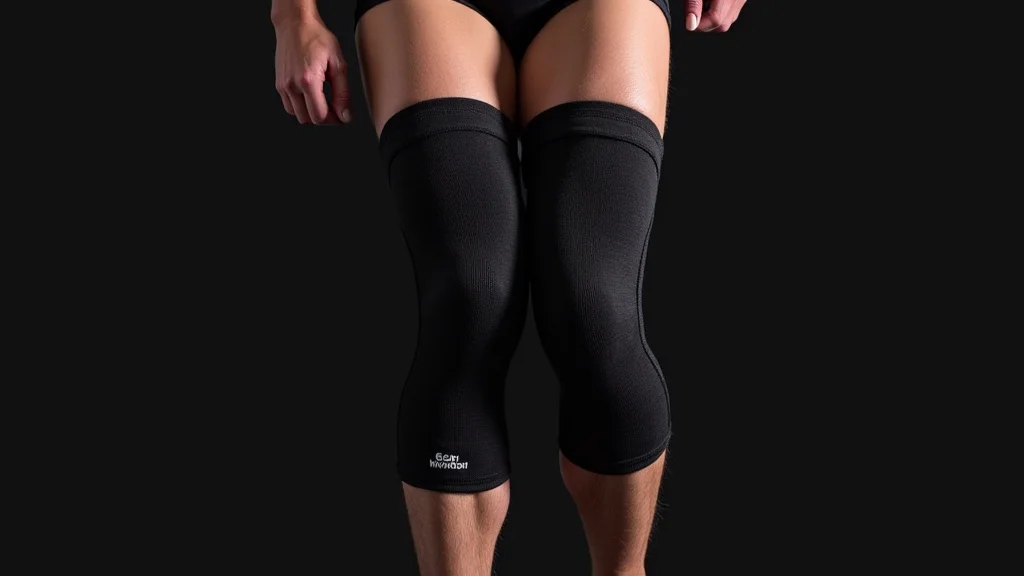
Knee sleeves have become a staple for many weightlifters, and for good reason. They are more than just accessories; they are tools designed to support your knees during demanding exercises. The primary purpose is to provide compression, which offers several advantages. This compression promotes blood flow, delivering vital nutrients to the joint and muscles, which can aid in recovery and reduce muscle fatigue. Moreover, the added warmth from the sleeve helps keep the joint lubricated, which can be essential for preventing discomfort. They’re valuable for those who are weightlifting.
Enhanced Joint Support and Stability
One of the primary advantages of knee sleeves for weightlifting is the support they give your joints. When lifting heavy weights, your knees undergo considerable stress. Sleeves offer a sense of stability, helping to limit excessive movement and reducing the risk of injury. The compression they provide acts as a buffer, safeguarding the joint by keeping the patella in alignment. This support is especially beneficial during exercises like squats, deadlifts, and lunges, where the knee is constantly flexed and extended. Using knee sleeves can make each lift safer and more secure.
- Compression: The firm pressure improves the awareness of joint position and function. This enhanced sense of body awareness makes you more surefooted, improving your lift performance.
- Protection: Knee sleeves provide extra security against sudden movements or impacts that can harm the joint. This can be especially helpful in high-intensity workouts.
- Muscle Warmth: The added warmth helps keep muscles and tendons flexible. The flexibility helps prevent muscle strains and boosts your lifting capabilities.
- Reduced Pain: By offering compression and support, the sleeves can reduce any pain during workouts, especially if you already have issues with your knees.
By offering compression and support, sleeves can make your workouts more comfortable and reduce discomfort.
Improved Proprioception and Performance
Proprioception is your body’s awareness of its position and movement in space. Knee sleeves can significantly improve this. The compression they give increases sensory feedback from the joint, making you more conscious of its positioning. This heightened awareness allows for better control during exercises, making you more efficient at your lifts. The support and increased awareness work together to create an environment where you are better able to perform your lifts effectively and with more confidence. Using knee sleeves can enhance how you feel and move while lifting.
- Increased Feedback: The sleeves give enhanced sensory feedback, allowing you to have a greater understanding of how the knee is moving and positioning itself.
- Better Control: The improved feedback can translate into enhanced control, enabling you to execute lifts with greater precision and efficiency.
- Enhanced Form: Improved awareness of knee position also promotes better form. This is especially helpful during critical exercises.
- Increased Confidence: As you gain awareness and control of your movements, you’ll likely experience a boost in your confidence.
All these elements work together, making you more equipped to hit your personal best.
Varieties of Knee Sleeves for Weightlifting
Knee sleeves come in a range of materials and styles, each with its unique benefits. Knowing these differences can help you pick the right ones for your workout needs. The material, thickness, and design of your sleeve will affect the compression and support it provides, so it’s essential to understand the options. Some sleeves are made for heavier lifts and offer more support, while others are geared toward everyday use and provide a balance of comfort and support. Understanding the variety can significantly improve your workouts.
Neoprene Knee Sleeves
Neoprene is the most common material used in knee sleeves for weightlifting. Neoprene sleeves offer excellent compression and support, making them a popular choice for weightlifters. The material retains heat, keeping the knee joint warm and promoting blood flow. The added warmth is particularly beneficial during intense workouts, as it helps keep the muscles and tendons flexible and reduces the risk of injury. Neoprene sleeves are also very durable and provide a snug, supportive fit. When looking at neoprene sleeves, it’s worth exploring the thickness options to find what works for you.
- Compression: Neoprene provides a firm compression that can reduce swelling and help blood flow. This support makes them a great pick for weightlifting.
- Warmth: Neoprene is excellent at retaining heat. This added heat can help keep your muscles and tendons flexible during workouts.
- Durability: Neoprene sleeves are generally very durable, capable of handling frequent use. They are designed to withstand the wear and tear of a weightlifting routine.
- Thickness: Neoprene sleeves come in a range of thicknesses, typically from 3mm to 7mm. The thicker the sleeve, the more support and compression it offers.
Neoprene sleeves are well-regarded for their combination of support, warmth, and durability.
Other Materials: Nylon and Fabrics
Beyond neoprene, other materials are used in knee sleeve construction. Nylon and fabric blends are used for flexibility and breathability. These options are less common but offer particular advantages. They are often lighter and more comfortable for extended use. Fabric blends can offer different levels of support and compression depending on the design. These sleeves can be a good choice for those who value comfort and want a lighter feel during their workouts. The selection of materials ensures you can find a sleeve that matches your needs.
- Breathability: Fabric blends often allow for more breathability. This is great for lifters who get warm or workout in warmer environments.
- Flexibility: Nylon and fabrics are generally more flexible than neoprene, providing an easier range of motion.
- Comfort: These materials are often more comfortable for people with sensitive skin. The lighter feel makes them great for extended wear.
- Variety: You’ll have options to choose from, each offering its combination of support, flexibility, and comfort.
These materials offer excellent comfort and breathability.
Choosing the Right Knee Sleeves
Picking the correct knee sleeves is key to getting the most out of them. A properly sized sleeve will provide the right amount of compression and support, while a poorly fitting one can be uncomfortable or even ineffective. Several factors should be considered when selecting knee sleeves. These factors include understanding the various measurement methods, considering the kind of support you need, and matching your choice to your type of training. Taking the time to pick the right sleeves is critical for both the performance and safety of your workouts.
Sizing Guidelines and Methods
The right fit is critical when choosing knee sleeves. Accurate measurements are essential. Here’s how to do it: First, measure the circumference of your knee at the center. Use a flexible measuring tape and make sure your leg is straight. Next, measure the leg circumference, usually about 4 inches above the knee. The measurements you get will help you find the right size based on the manufacturer’s sizing chart. Check the brand’s sizing chart carefully, as sizes can change. You can also measure the actual sleeve for a more accurate fit.
- Measure the Knee: Use a flexible measuring tape to measure around your knee’s center. Make sure your leg is straight.
- Measure Above the Knee: Measure around your leg, about 4 inches above the knee. This measurement is used to determine how the sleeve will fit on your leg.
- Refer to Sizing Charts: Use the measurements you get to refer to the manufacturer’s sizing chart. Sizing charts can differ between brands.
- Consider the Fit: The goal is a snug fit. Some lifters prefer a tighter fit for more compression and support. Consider the thickness and material.
Taking accurate measurements and reviewing sizing charts will ensure your sleeves provide the right support and comfort.
Selecting Sleeves Based on Your Needs
When picking knee sleeves, consider the type of workouts you’ll be doing and the level of support you need. For heavy weightlifting, thicker neoprene sleeves (5mm or 7mm) may be the best choice because they provide maximum support and compression. For general fitness activities or lighter workouts, a thinner sleeve (3mm) or a fabric blend can give the support you need without too much compression. Think about what your priorities are: stability, warmth, and a greater range of motion. Matching your sleeve choice to your training requirements will ensure that your knees are well supported. The right choice is critical.
- Heavy Lifting: For intense weightlifting, select thicker sleeves. These offer maximum support and help protect your knees.
- General Fitness: For general workouts, lighter sleeves work well. These sleeves balance support with comfort.
- Warmth & Mobility: Consider fabric blends if you want more movement. You’ll get more freedom and breathability.
- Material Preference: Select based on your skin sensitivity. Neoprene offers support, but nylon blends may be preferred.
Taking your workout needs into account will help you find the right knee sleeve.
Caring for Your Knee Sleeves
Proper care and maintenance can extend the life of your knee sleeves and ensure that they continue to perform well. Following some guidelines will keep your sleeves in good shape, so they can keep supporting your knees. This includes regular cleaning, correct storage, and watching for signs of wear and tear. Taking care of your sleeves will make them last longer, helping you to get the most from your investment.
Cleaning and Maintenance Tips
Cleaning your knee sleeves regularly is essential to maintaining hygiene and performance. After each use, it’s best to wipe down the sleeves with a damp cloth to get rid of sweat and debris. Wash them by hand in cold water with a gentle detergent. Avoid using harsh chemicals or washing machines, as these can damage the material and reduce their effectiveness. Let the sleeves air dry away from direct sunlight or heat. Check the sleeves for tears or damage. Following these cleaning tips is essential to extend the lifespan.
- Wipe Down Regularly: After each use, wipe down the sleeves with a damp cloth to remove sweat.
- Hand Wash: Wash the sleeves in cold water. Use a gentle detergent. Avoid the use of harsh chemicals.
- Air Dry: Air dry the sleeves away from direct sunlight or heat. Avoid drying them in a machine.
- Inspect: Inspect your sleeves frequently for signs of wear and damage, such as tears or stretching.
Caring for your sleeves will make them last and work better.
Storage and Lifespan
How you store your knee sleeves can affect their lifespan and performance. When not in use, store your sleeves in a cool, dry place away from direct sunlight. Avoid storing them compressed or folded, as this can wear down the material over time. With proper care, most knee sleeves can last for a year or two with regular use. However, the lifespan depends on factors like the material, the frequency of use, and the intensity of your workouts. If you see signs of wear, like stretching, loss of compression, or tears, it’s time to replace them. Replacing your knee sleeves is key.
- Store Properly: Store knee sleeves in a cool, dry place away from direct sunlight.
- Avoid Compression: Don’t store them compressed or folded for long periods.
- Lifespan: With proper care, most knee sleeves last one to two years.
- Replacement: Check for wear like stretching or tears. Replace your sleeves when they show signs of damage.
Taking good care of your knee sleeves will help them provide essential support.
Common Myths Debunked
There are many myths about knee sleeves for weightlifting. Separating fact from fiction can help you make informed decisions. It can also help you understand how to use these accessories effectively. In this section, we’ll debunk some common misconceptions about knee sleeves. Understanding these points will empower you to use them wisely and optimize your weightlifting experience.
Myth 1: Knee Sleeves Make Your Knees Weak
Some believe that knee sleeves make the knees weak because they provide support, causing the muscles around the joint to become less reliant on their own strength. The reality is that knee sleeves offer support, but they don’t weaken your muscles. They help your muscles to work harder by increasing blood flow. Sleeves can promote better muscle performance during the lift. They keep the knees stable during workouts, reducing the risk of injuries. Using knee sleeves provides support while you workout.
Myth 2: Knee Sleeves Are Only for People With Injuries
Another common misconception is that knee sleeves are only for those with existing knee issues. The reality is that while sleeves can be very helpful for people with knee problems, they are also a great preventative measure. They can support and protect your knees during heavy lifts. By improving joint stability and promoting proper movement, knee sleeves can help reduce the risk of injuries in the first place. Therefore, knee sleeves for weightlifting are used for performance enhancement, and injury prevention.
Myth 3: All Knee Sleeves Are the Same
There’s a common belief that all knee sleeves are created equally. In practice, knee sleeves vary significantly in material, thickness, and design. These variables influence the support, compression, and overall performance. Some are made of neoprene for maximum compression and warmth, while others use fabric blends for enhanced flexibility. Understanding these distinctions is key to selecting the right type of knee sleeve that meets your needs and lifting style. The range of options allows you to find one that fits your needs.
Myth 4: Knee Sleeves Limit Range of Motion
Some lifters believe that knee sleeves restrict movement. The truth is that properly sized sleeves should not limit your range of motion. They provide support without interfering with normal joint function. While they do offer a degree of compression, it should enhance your awareness. Quality sleeves are designed to let you move freely while giving support and stability. If your sleeve does restrict your movement, you may need to adjust the size or style you’re using. You can continue to lift and move with confidence.
Myth 5: Knee Sleeves Replace Proper Warm-Up and Technique
Many people think that wearing knee sleeves means they can ignore other aspects of their workout. They are designed to assist, not
Frequently Asked Questions
Question: Are knee sleeves suitable for all types of weightlifting?
Answer: Yes, knee sleeves can be used for most weightlifting exercises. They are great for squats, deadlifts, and lunges.
Question: How tight should knee sleeves be?
Answer: Knee sleeves should fit snugly. They should give compression without causing discomfort or restricting circulation.
Question: Can I wash my knee sleeves in a washing machine?
Answer: It’s best to wash your knee sleeves by hand. This will maintain the material and help them last longer.
Question: Do knee sleeves increase your lifting weight?
Answer: Knee sleeves offer support and can boost confidence. They don’t directly add weight, but they may help you lift more.
Question: How often should I replace my knee sleeves?
Answer: Replace your knee sleeves when they show signs of wear. You can replace them after one or two years.
Final Thoughts
Knee sleeves for weightlifting are a great addition to your workout gear. They’re valuable for protecting your knees and improving performance. From offering support and warmth to enhancing proprioception, the advantages are many. They are essential to help make your workouts more effective and enjoyable. Remember to pick the correct size. Taking care of your sleeves will make them last longer. Consider your training needs and the materials available when choosing your sleeves. By using and maintaining your knee sleeves, you’ll be on your way to a more successful and safer weightlifting journey. Prioritize knee health and lift stronger.