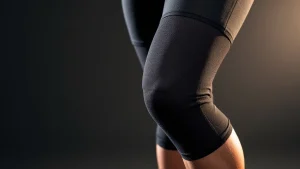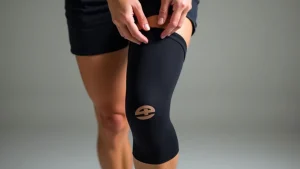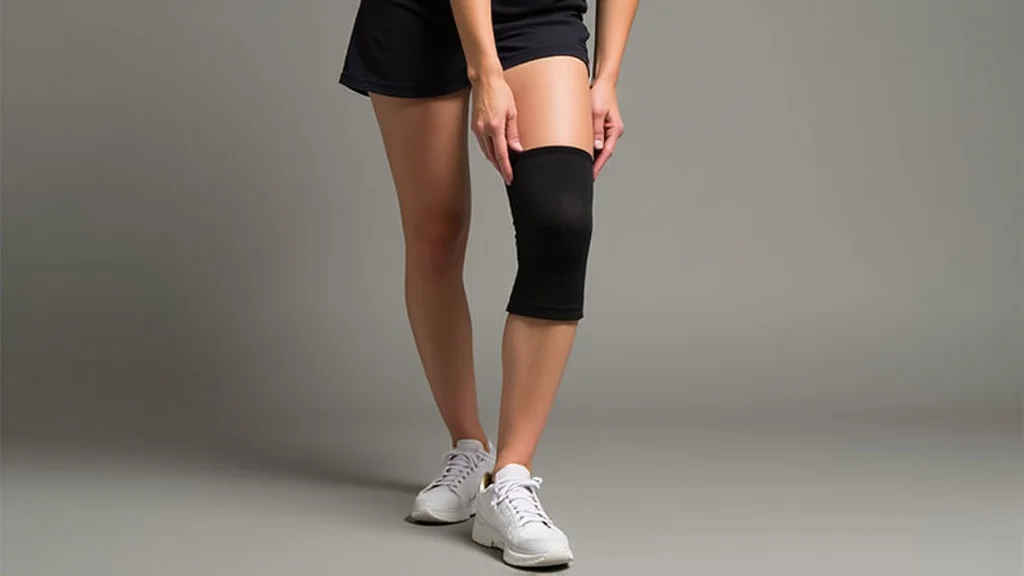
Picture this: You’re enjoying your favorite activity, maybe a brisk walk, or a spirited dance class. Then, a sharp twinge in your knee reminds you of that persistent ache. It’s a common experience for many women, whether due to exercise, everyday wear and tear, or underlying conditions. The good news is, there are solutions to help manage and even alleviate this discomfort. This post explores the benefits of knee sleeves for women knee pain, explaining how they work, the different types available, and how to choose the right one for your specific needs. Get ready to discover how these supportive garments can make a difference in your daily life and help you stay active. You’ll gain valuable insights into choosing, using, and maintaining your knee sleeves, improving your Time on Page and reducing Bounce Rate.
Key Takeaways
- Learn how knee sleeves for women knee pain provide support and reduce discomfort.
- Discover the different types of knee sleeves and their specific functions.
- Understand how to select the correct size and fit for optimal comfort and performance.
- Explore the materials used in knee sleeves and their impact on performance.
- Gain valuable tips on caring for your knee sleeve to ensure its longevity.
- Find out when to consult a healthcare professional regarding your knee pain.
Understanding Knee Sleeves and Their Benefits
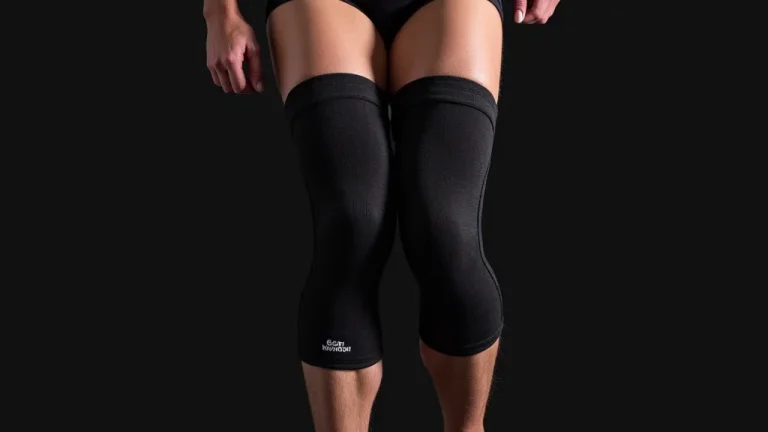
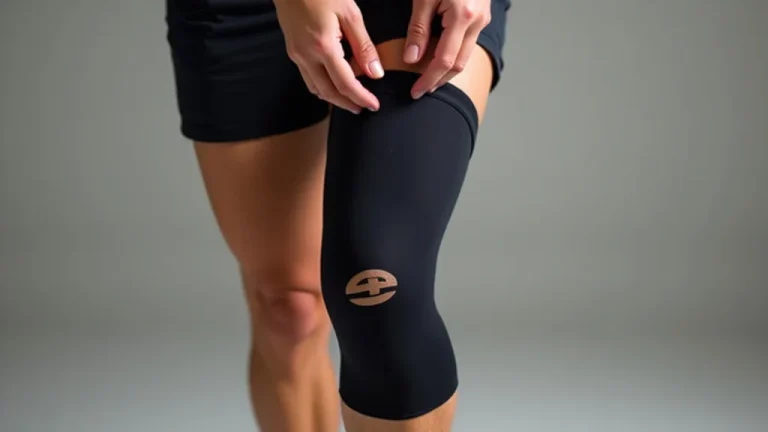
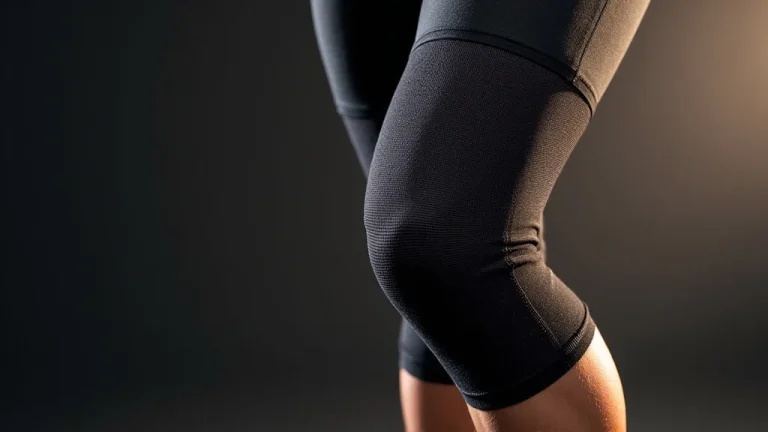
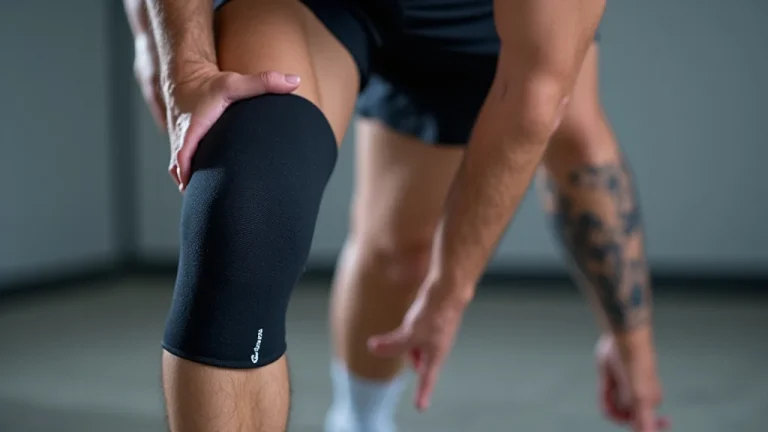
Knee sleeves are essentially compression garments designed to be worn around the knee joint. They are typically made from materials like neoprene, nylon, or a blend of fabrics that provide a snug fit. The primary purpose of these sleeves is to offer support, warmth, and compression, which can contribute to pain relief and improved joint stability. Many women experience knee pain from various factors, including sports, arthritis, or everyday activities. By providing this support, knee sleeves for women knee pain can play a significant role in helping manage the condition. The benefits extend beyond pain reduction; they also help improve blood flow, which aids in healing and reduces swelling. These sleeves can also help prevent injuries during activities.
How Knee Sleeves Work
The mechanism behind a knee sleeve’s effectiveness is multifaceted. The compression provided by the sleeve improves blood circulation around the knee. Better blood flow delivers more oxygen and nutrients to the area, which promotes healing and reduces inflammation. The warmth generated by the sleeve helps to soothe muscles and joints, easing pain and stiffness. Furthermore, the supportive nature of the sleeve provides proprioceptive feedback, which enhances awareness of the knee’s position and movement. This improved awareness can improve stability and reduce the risk of further injury. Knee sleeves also limit unnecessary movements which can prevent further pain or injury.
The level of compression varies depending on the design of the sleeve. Some sleeves offer light compression, which is suitable for everyday activities and minor aches. Others offer moderate to heavy compression, which may be recommended for more intense activities or for individuals with conditions like arthritis. Selecting the right level of compression is key. It should provide support without restricting movement or causing discomfort. Sleeves come in different lengths, with some covering the entire knee and others extending above and below the joint.
The Benefits of Wearing Knee Sleeves
- Pain Reduction: The compression and warmth provided by knee sleeves can significantly alleviate pain associated with various conditions.
- Improved Stability: By offering support and proprioceptive feedback, knee sleeves enhance knee stability, reducing the risk of injury.
- Reduced Swelling: Compression helps to minimize swelling by promoting better blood circulation and reducing fluid buildup.
- Enhanced Performance: For athletes, knee sleeves can improve performance by providing support and reducing fatigue during activities.
- Faster Recovery: Improved blood flow and compression can accelerate the healing process after an injury or intense workout.
Example: Sarah, a keen runner, started experiencing knee pain after increasing her mileage. She started wearing a knee sleeve during her runs. The sleeve provided support and warmth, reducing her pain and allowing her to continue her training regime without interruptions. She now relies on her knee sleeve during her daily runs.
Different Types of Knee Sleeves for Women Knee Pain
The market offers a wide array of knee sleeves, each designed with specific features to address various needs. Understanding the different types available ensures you select the most suitable option for your particular condition or activity level. These sleeves vary in materials, design, and level of support, so taking the time to explore each type is essential. Whether you’re looking for basic support for everyday activities or robust protection during sports, a sleeve exists to fit your requirements. By exploring each type, it is easier to discover which one aligns with your requirements.
Neoprene Knee Sleeves
Neoprene knee sleeves are among the most popular due to their excellent compression and warmth-retaining properties. Neoprene is a synthetic rubber that provides a snug fit, enhancing blood flow and reducing swelling. It is also known for its durability and flexibility, making it ideal for various activities, from light workouts to sports. These sleeves are very supportive and can provide great stability. Many have added features like adjustable straps, offering a customizable fit. However, neoprene sleeves may not be suitable for people with latex sensitivities, and they can sometimes feel warm, especially in warmer climates. They’re excellent for pain relief and moderate support. To prevent overheating, some neoprene sleeves include ventilation holes.
Hinged Knee Sleeves
Hinged knee sleeves are designed for more serious injuries or conditions where increased stability and support are necessary. These sleeves incorporate hinges on the sides of the knee, which mimic the natural movement of the joint while providing extra protection against lateral movement. They offer a higher level of support than standard compression sleeves and are often recommended for those recovering from ligament injuries or dealing with conditions like osteoarthritis. Hinged sleeves come in various forms, some with adjustable settings to control the range of motion. The design also allows for improved protection against impacts and twists. As a result, hinged sleeves are a great choice for higher-impact activities. Ensure a proper fit for optimal effectiveness and comfort.
Compression Knee Sleeves
Compression knee sleeves are designed to provide consistent compression around the knee joint. They are typically made from breathable materials like nylon or a blend of spandex and polyester. They are excellent for improving blood flow, reducing swelling, and providing moderate support. Compression sleeves are popular among athletes and individuals with mild knee pain or arthritis. The lightweight nature of these sleeves ensures they are comfortable for everyday use and various activities. Their ability to wick away moisture helps prevent overheating and keeps the skin dry. Compression sleeves often come in different compression levels, allowing for more customization to suit individual needs. They are an affordable option and easy to put on and take off.
Knee Sleeves with Gel Pads
Knee sleeves with gel pads offer a combination of compression and targeted support. These sleeves feature built-in gel pads positioned around the patella (kneecap) to provide cushioning and reduce impact during movement. The gel pads also help stabilize the kneecap, which is beneficial for people with patellofemoral pain syndrome or those who participate in high-impact activities. The gel pads conform to the shape of the knee, distributing pressure evenly and enhancing comfort. These sleeves are often made from breathable materials, such as neoprene or a blend of fabrics, and offer moderate compression. Choosing the right gel pad and overall support is a vital process to maximize their benefits.
Choosing the Right Knee Sleeve
Selecting the right knee sleeve involves considering several factors to ensure it provides the optimal support, comfort, and benefits for your specific needs. It’s not just about picking any sleeve; the correct fit, material, and features are crucial. Assessing your activity level, the cause and degree of your knee pain, and any underlying conditions helps narrow down your options. Whether you’re an athlete, someone with arthritis, or simply seeking extra support during your daily activities, the proper knee sleeve can make a significant difference in your comfort and mobility.
Understanding Your Needs
Before purchasing a knee sleeve, it’s essential to understand the cause and severity of your knee pain. This involves knowing if you have a specific injury, such as a ligament tear, or a chronic condition, such as osteoarthritis. Your activity level also plays a vital role. If you are an athlete or frequently engage in high-impact activities, you’ll need a sleeve that provides more support and protection than someone with a sedentary lifestyle. Determine your goals for using a knee sleeve: Do you aim to reduce pain, improve stability, or speed up recovery? Answering these questions clarifies the type of sleeve you should look for.
Consider the symptoms you are experiencing. Are you dealing with swelling, stiffness, or instability? The answers can guide you in choosing a sleeve that offers the right level of compression and support. It is best to consult with a healthcare professional to get an accurate diagnosis of your knee pain. You may discover that your symptoms are related to a condition, such as arthritis, or it may require specific treatment options. Having a clear understanding of your needs ensures that you choose a knee sleeve that is suitable for your situation.
Sizing and Fit
Proper sizing is critical for the effectiveness and comfort of your knee sleeve. Measure the circumference of your knee, typically a few inches above and below the kneecap, while standing. Most manufacturers provide a size chart based on these measurements. Choose the size that closely matches your measurements. If your measurements fall between two sizes, it’s often best to choose the smaller size for a more snug fit, especially if the sleeve is made of a stretchy material. Ensure the sleeve feels secure but does not restrict circulation or movement. If the sleeve is too tight, it can cause discomfort and can limit blood flow.
Try the knee sleeve on before engaging in any activities to assess the fit. Move your knee through a range of motions to ensure the sleeve does not slip or bunch up. It should stay in place during your movements. Keep in mind that the fit can vary between different brands and materials. For example, neoprene sleeves might feel tighter than compression sleeves made from more breathable materials. You should be able to move comfortably and have full range of motion. Pay close attention to how the sleeve feels when you bend, squat, and walk. If you experience any pinching or discomfort, try a different size or brand. Read customer reviews for insights into sizing accuracy.
Materials and Features
The material of your knee sleeve greatly affects its performance and comfort. Neoprene is popular for its warmth, compression, and durability, but it may not be suitable for people with latex sensitivities or those who live in warm climates. Breathable materials like nylon and spandex blends are a great choice. These materials wick away moisture and provide moderate compression. Hinged sleeves provide a higher level of support, often recommended for more serious injuries or conditions. Gel pads, added to some sleeves, offer extra cushioning and support around the kneecap. The design of a knee sleeve determines its functionality.
Consider the features that are crucial for your needs. Adjustable straps can help customize the fit and provide additional support. Some sleeves have anti-slip designs, ensuring they stay in place during activities. Ventilation holes or breathable fabrics help prevent overheating and keep your skin dry, which is important during exercise. For athletes, features like reinforced stitching and moisture-wicking properties enhance performance and comfort. Read product descriptions and compare features to select a sleeve that aligns with your specific needs and preferences. Review online customer reviews to gain insight into how features hold up in real-world scenarios.
Caring for Your Knee Sleeve
Proper care and maintenance of your knee sleeve are vital to extend its lifespan and ensure it continues to provide the support and benefits you need. Following the manufacturer’s care instructions is a good starting point. Regular cleaning and careful handling can prevent premature wear and tear, and keep your sleeve in top condition. Whether it’s a neoprene sleeve, a compression sleeve, or a hinged brace, taking good care of your equipment guarantees that it continues to function as designed. Investing a little time in care will keep your sleeve useful and effective for a long time.
Washing and Drying
Most knee sleeves need washing after each use, especially if you sweat a lot. Washing removes sweat, dirt, and bacteria that could affect the sleeve’s performance. Always check the manufacturer’s care instructions for specific guidelines. Many knee sleeves can be hand-washed with mild soap and lukewarm water. Avoid harsh chemicals, bleach, and fabric softeners, as they can damage the material and reduce its effectiveness. Gently scrub the sleeve, paying special attention to areas that come into contact with your skin. Rinse it thoroughly to remove all soap residue.
After washing, it’s important to dry the sleeve properly to prevent mold or mildew growth. Avoid using a machine dryer, as the heat can damage the material. Instead, air dry the sleeve by laying it flat or hanging it in a well-ventilated area, away from direct sunlight or heat sources. Allow it to dry completely before you put it on. Proper washing and drying help to maintain the integrity of the compression and support provided by the sleeve. These procedures will keep your knee sleeve clean and ready for your activities. Make sure your knee sleeve is fully dry before wearing it.
Storage and Maintenance
Proper storage contributes to extending the life of your knee sleeve. When not in use, store the sleeve in a clean, dry place away from direct sunlight. Sunlight can damage the materials. Avoid storing the sleeve in damp environments, as this can encourage mold or mildew growth. Regularly inspect your knee sleeve for any signs of wear and tear, such as rips, tears, or loss of elasticity. If you find any damage, consider replacing the sleeve to maintain its effectiveness. You should also check the straps or hinges for wear and tighten them periodically, if needed.
Clean your knee sleeve regularly as outlined above. Ensure you have the right fit to maintain the support and comfort. Also, check the seams and stitching to ensure they are intact. Take proactive steps to care for your knee sleeve, and it will continue to provide the support and relief you need. By following these simple maintenance practices, you can maximize the lifespan of your knee sleeve and keep it ready for your next activity. Your diligence will ensure your knee sleeves for women knee pain remain effective and provide relief.
Common Myths Debunked
Myth 1: Knee sleeves weaken the knee muscles.
Reality: Knee sleeves do not weaken muscles. They provide support and compression, which can actually help improve blood flow and reduce pain. They can also aid in proprioception, which can enhance muscle control and stability. In most cases, knee sleeves allow people to be active and help avoid the pain that would lead to muscle weakening.
Myth 2: All knee sleeves are the same.
Reality: Knee sleeves come in various types and materials, each designed for specific purposes. Some are for general support, while others are for more serious injuries or conditions. The materials also differ, offering varying levels of compression and warmth. Choosing the right sleeve is based on individual needs and requirements.
Myth 3: Knee sleeves are only for athletes.
Reality: Knee sleeves benefit anyone experiencing knee pain or discomfort, regardless of their activity level. They help support, reduce pain, and improve mobility for both athletes and individuals with arthritis, or those recovering from injuries. They can also provide support during daily activities.
Myth 4: If you wear a knee sleeve, you don’t need to consult a doctor.
Reality: Knee sleeves can offer relief, but they’re not a replacement for medical advice. If you have chronic or severe knee pain, you should see a healthcare professional for a proper diagnosis and treatment plan. A doctor can determine the cause of your pain and suggest the appropriate intervention. Knee sleeves are a supportive aid, not a cure.
Myth 5: Tight knee sleeves are always the best.
Reality: While knee sleeves need to be snug to provide support, too tight of a sleeve can restrict blood flow and movement, which is counterproductive. Proper sizing and fit are important. You want a sleeve that provides compression without causing discomfort or limiting your range of motion. Carefully measure your knee to get the right fit.
Frequently Asked Questions
Question: How long can I wear a knee sleeve each day?
Answer: You can wear a knee sleeve for as long as it feels comfortable and provides benefit. Many people wear them during activities and for several hours a day. However, it’s a great idea to take the sleeve off at night to allow your knee to breathe and for normal circulation.
Question: Can I wear a knee sleeve while sleeping?
Answer: It’s usually not necessary to wear a knee sleeve while sleeping unless specifically advised by a doctor. Removing it at night can help avoid any constriction or discomfort and allows for better blood flow while you rest.
Question: How often should I wash my knee sleeve?
Answer: Wash your knee sleeve after each use, particularly if you are active or sweat a lot. This prevents odors and prolongs the sleeve’s lifespan. Follow the care instructions on the label to keep it clean and effective.
Question: What if my knee sleeve feels too tight?
Answer: If your knee sleeve feels too tight or causes any discomfort, you should try a larger size or a sleeve with less compression. Make sure the sleeve isn’t cutting off circulation or limiting movement.
Question: Can I use a knee sleeve instead of seeing a doctor?
Answer: Knee sleeves can offer support and relief, but they should not replace medical advice. Consult a healthcare professional to determine the cause of your knee pain and get an appropriate diagnosis and treatment plan, especially for persistent or severe symptoms.
Final Thoughts
Exploring the world of knee sleeves for women knee pain can be a relief. They’re valuable tools for managing and reducing discomfort. By understanding the different types, selecting the proper fit, and maintaining your sleeve well, you can enjoy improved support and enhanced activity levels. They work by providing compression and warmth, which can reduce pain and improve stability. Many women have benefited from using knee sleeves, whether they are athletes, dealing with arthritis, or looking for extra support during daily activities. Remember, choosing the right size, material, and features that meet your specific requirements is very important. Consult a healthcare professional if your pain persists. Investing in a knee sleeve is an investment in your well-being. By following the tips and recommendations provided, you can discover how these supportive garments can make a difference in your daily life. Enjoy improved comfort and increased mobility!