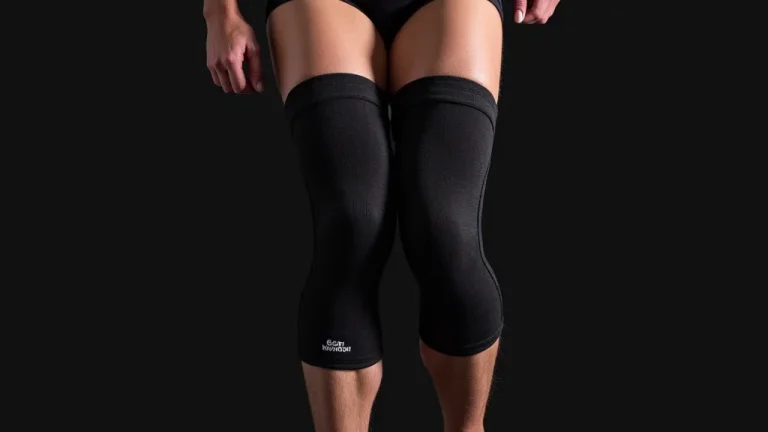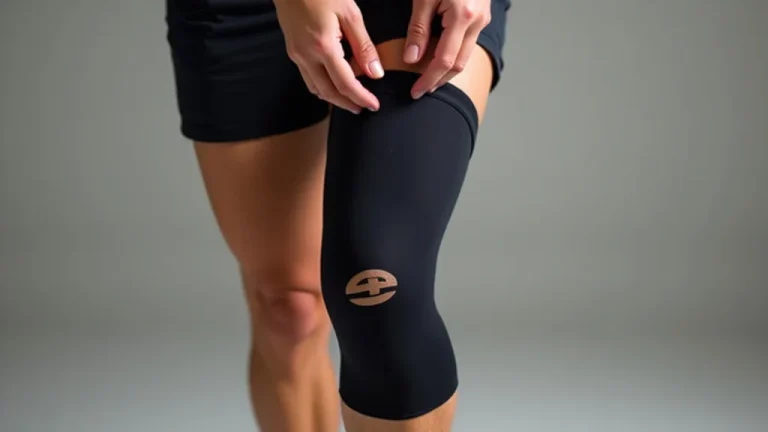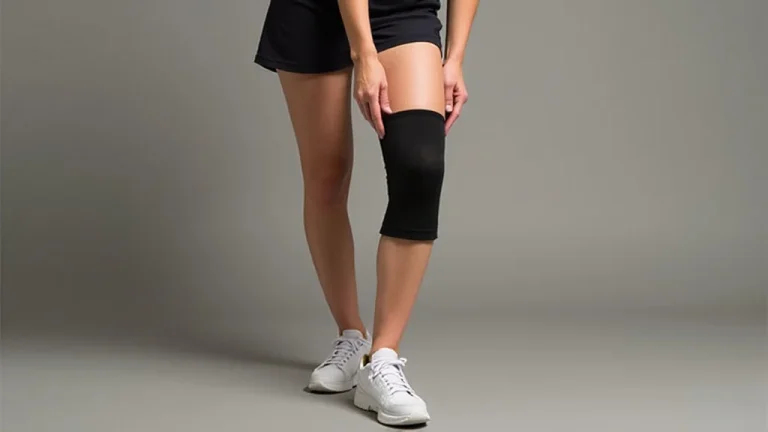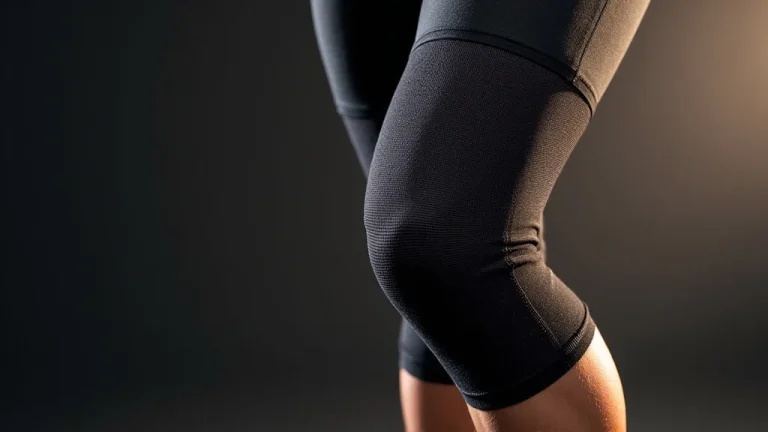
Picture this: you’re on the court, ready to dominate, or hitting the gym to reach a new personal best. Suddenly, a familiar ache hits your knee, threatening to sideline you. Sound familiar? Many men experience knee discomfort during physical activities. This post explores the world of knee sleeves for men. You’ll gain a thorough look at how they work, the benefits, and which ones fit your needs. Get ready to explore the options and ensure you are taking care of your knees!
Key Takeaways
- Learn the fundamental uses of knee sleeves for men.
- Understand the different materials and constructions of knee sleeves.
- Discover the advantages of using a knee sleeve during various activities.
- Explore the selection process and factors to consider when purchasing.
- Find out how to properly care for and maintain your knee sleeves for longevity.
- Gain insight into the potential drawbacks and limitations of knee sleeves.
Understanding Knee Sleeves
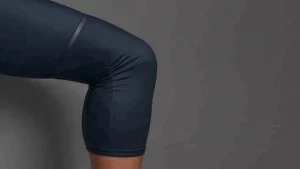
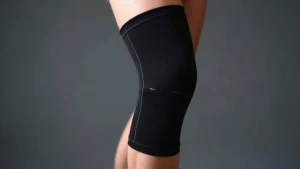
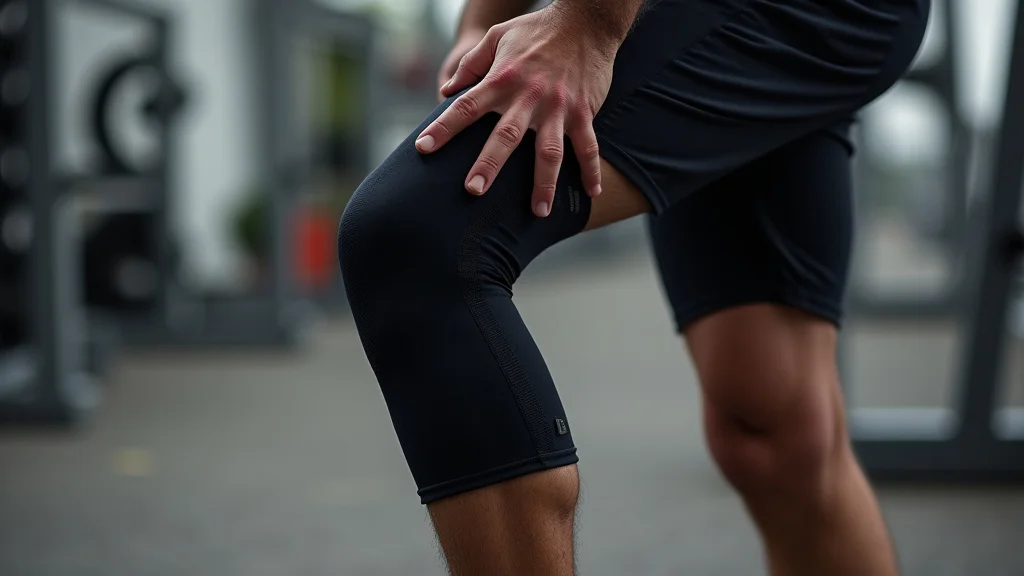
Knee sleeves are garments that fit snugly around the knee joint. They are typically made of materials like neoprene, nylon, or a blend of fabrics designed to offer support and compression. These sleeves are very popular with athletes and individuals who experience knee pain during exercise or daily activities. Their function is not solely limited to supporting the knee; they also offer a range of additional benefits.
What Do Knee Sleeves Do?
At their core, knee sleeves provide both compression and warmth. Compression helps to increase blood flow to the area, which can reduce swelling and promote healing. This also supports the patella, or kneecap, and can assist in its proper tracking. The warmth generated by the sleeve helps to keep the joint lubricated and flexible, which is important for preventing injuries. They are useful for a wide range of activities, from weightlifting to running, and even for everyday tasks.
- Compression: The compression aspect is key. It helps to keep the muscles warm and ready for action. It reduces swelling by improving circulation.
- Warmth: Retaining heat is another important benefit. Warmer joints are more flexible and less likely to experience pain or injury.
- Support: Providing a degree of support helps the patella and can improve proprioception.
Compression is a critical function of knee sleeves, working by gently squeezing the joint and surrounding tissues. This pressure promotes increased blood flow, which delivers more oxygen and nutrients to the area while also assisting in the removal of waste products that can cause pain and fatigue. This compression aspect also aids in reducing swelling, making it a great option for those with injuries. The tightness of the compression can vary depending on the sleeve’s design and material, allowing for a degree of individual preference.
The warmth provided by a knee sleeve is more than just a comfortable feeling; it serves a functional purpose. When the knee is warm, the synovial fluid within the joint becomes less viscous, allowing for smoother movements. This also increases the flexibility of the surrounding muscles and ligaments, lowering the risk of strains and sprains. For those involved in sports or physical activity, this added warmth can make a significant difference in performance and injury prevention.
Support is a major feature of knee sleeves. The sleeve wraps around the knee, offering a hug of stability. This added support can be particularly helpful for those with conditions like mild osteoarthritis or patellar tracking issues. It gives the muscles a sense of support, which can help in reducing any instability during movement. This support also enhances proprioception, which is your body’s awareness of its position in space, improving overall coordination and balance.
Material Matters: What Are Knee Sleeves Made Of?
The materials used in knee sleeves significantly affect their performance, comfort, and durability. Neoprene, a synthetic rubber, is a common choice due to its excellent compression properties and ability to retain heat. Nylon and other synthetic blends offer breathability and flexibility. The type of material dictates the sleeve’s ability to support the knee during exercise. Other materials, such as polyester or spandex, are frequently integrated into the construction to improve the sleeve’s stretch and longevity.
- Neoprene: Known for its compression and heat retention.
- Nylon Blends: Offer breathability and flexibility.
- Other Materials: Include fabrics like polyester, offering variations in compression and comfort.
Neoprene is a versatile synthetic rubber, known for its compression capabilities. It molds well to the shape of the knee, providing a snug fit that supports the joint. The material’s ability to trap heat makes it ideal for athletes who need to keep their knees warm during activity, decreasing the risk of injury. Neoprene is also water-resistant, protecting the skin from sweat and moisture. The key downside is that it can make your knee sweat.
Nylon blends, often combined with spandex or other elastic fibers, prioritize breathability and flexibility. These materials are lighter and less bulky than neoprene, making them suitable for activities where comfort and a full range of motion are essential. They wick away moisture, keeping the skin cool and dry. Sleeves made with these materials are excellent choices for runners, cyclists, and anyone who needs a balance of support and movement.
Polyester and its blends provide a variety of performance benefits. Polyester is known for its durability and resistance to wear and tear, which extends the life of the sleeve. It’s often used in combination with other materials to improve breathability and moisture-wicking properties. These materials offer good support and are comfortable, making them excellent choices for many types of exercise.
Advantages of Knee Sleeves for Men
Knee sleeves offer numerous advantages that can benefit men of all activity levels. They provide support during exercise, aid in injury prevention, and can even help with recovery. Using knee sleeves can make all the difference, whether you’re a seasoned athlete or a weekend warrior. From supporting your knees to improving overall performance, the benefits are numerous.
Support and Stability
The primary benefit of a knee sleeve is the support it provides to the knee joint. This can be particularly important for people who have experienced knee injuries or those with conditions like arthritis. By providing support, knee sleeves help to improve the overall stability of the knee, which is a great option to protect against injuries. The compression provided by the sleeve can also increase proprioception.
- Enhanced Support During Exercise: Stabilizes the knee joint during dynamic movements.
- Improved Proprioception: Enhances the body’s awareness of joint position.
- Pain Reduction: Eases discomfort by providing compression and warmth.
During exercise, the knee is subject to significant forces, whether it is running, jumping, or lifting weights. Knee sleeves provide stability during these activities by minimizing lateral movement and offering a secure base. This added support reduces the risk of injury, enabling individuals to push themselves and achieve their fitness goals.
Proprioception is your body’s ability to sense its position in space, which is critical for balance and coordination. Knee sleeves enhance this sense, allowing the brain to get better feedback from the knee joint. This helps with balance, coordination, and the ability to react quickly to changes in movement, which is particularly beneficial during sports.
The compression and warmth provided by the sleeve can help to relieve pain. Compression reduces swelling by improving circulation and supporting the soft tissues, while warmth encourages blood flow. This combination helps to alleviate discomfort, which is essential for athletes and individuals recovering from injuries.
Injury Prevention and Recovery
One of the most valuable aspects of using knee sleeves is their capacity to prevent injuries and aid in the recovery process. This is particularly true for people engaging in activities that place stress on the knees. By providing support, warmth, and compression, knee sleeves help to shield the knees from potential harm. They are a good solution for people recovering from injuries, as they can support the healing process.
- Protection Against Common Injuries: Reduces the risk of strains and sprains.
- Accelerated Recovery: Enhances blood flow and reduces swelling.
- Post-Surgical Support: Provides stability and comfort after knee surgeries.
Knee sleeves act as a barrier, protecting the knee joint. They provide support to ligaments and tendons, minimizing excessive movement that could lead to strains or sprains. The warmth of the sleeve keeps the muscles and ligaments more flexible, reducing the risk of injury, especially during the warm-up and cool-down periods.
During the recovery phase after an injury, improved circulation is critical for delivering nutrients and removing waste products from the injured area. The compression provided by a knee sleeve can help to enhance blood flow, promoting the healing process. This helps in reducing swelling, which can reduce the recovery period. It’s a great option to support the joint during the recuperation period.
After knee surgeries, knee sleeves offer critical support and stability. They reduce the risk of re-injury. The added warmth from the sleeve improves the range of motion. Knee sleeves can be helpful during the rehab process.
Performance Enhancement
Beyond support and recovery, knee sleeves can also contribute to enhanced performance. By improving blood flow and keeping the knee warm, they create a more optimal environment for athletic activities. Enhanced proprioception, or awareness of the joint’s position, can improve coordination and balance. For athletes looking to gain an edge, knee sleeves can be a significant addition to their gear.
- Increased Blood Flow: Improves oxygen delivery to muscles.
- Enhanced Warm-up: Keeps the knee joint warm and flexible.
- Improved Proprioception: Provides a better sense of joint position.
Improved blood flow helps to bring in more oxygen and remove waste products, reducing fatigue. This can lead to increased endurance and power, allowing athletes to perform at a higher level for longer periods. This is particularly advantageous during high-intensity activities where oxygen demand is high. It can contribute to an athlete’s overall performance during competition.
Keeping the knee joint warm is key before any physical activity. It increases flexibility. This prepares the joint for movement, making it less vulnerable to injury and helping improve movement and flexibility. A warm knee improves your ability to perform at a higher level from the very beginning of the activity. It also helps with improved coordination and quicker response times.
Knee sleeves heighten your awareness of the knee’s position in space. This improved proprioception is crucial for stability and coordination, allowing for quicker and more precise movements. Athletes can better control their movements and react faster to changing situations. Proprioception also aids in injury prevention by helping to recognize and adapt to unstable situations.
Selecting the Right Knee Sleeves for Men
Selecting the correct knee sleeves is very important for maximizing the advantages and comfort. A poorly fitted sleeve can be ineffective or, in some cases, even harmful. Understanding various factors such as sizing, material, and the intended use is important when selecting the right knee sleeves. This ensures that you have the right support and protection.
Sizing and Fit
The correct fit is key for a knee sleeve. The sleeve should be snug but not restrictive, providing support without cutting off circulation or limiting movement. It’s important to take measurements carefully and follow the manufacturer’s sizing chart. A well-fitting knee sleeve will provide maximum benefits while also being comfortable during use.
- Measuring Your Knee: How to accurately determine your size.
- Proper Fit: Ensuring a balance of support and comfort.
- Considerations for Different Activities: Adjustments for various sports and workouts.
To measure correctly, use a flexible measuring tape and measure around your knee. Make sure your leg is straight, then measure the circumference of your knee, typically at the middle of the kneecap. Take a few measurements to confirm accuracy. Use these measurements to consult the sizing chart provided by the manufacturer. Be aware that sizing charts can vary among brands, so always refer to the specific brand’s instructions.
A well-fitting knee sleeve should feel snug but not too tight that it restricts movement or cuts off circulation. It should stay in place during activity without sliding down or bunching up. The sleeve should feel secure, providing support to the joint while still allowing a full range of motion. If you are unsure, consider trying on the sleeve before buying or starting with the larger size.
The type of activity can affect how a knee sleeve should fit. For activities that involve high levels of movement, a more secure, tighter fit may be preferred. For longer endurance activities, a slightly less compressive fit might be better to maintain comfort. When the sleeve fits well, you’ll be able to stay focused on your performance.
Material and Construction
The material and construction of a knee sleeve determine its performance, longevity, and comfort. Neoprene is favored for its compression and heat retention qualities. Nylon and synthetic blends are often selected for breathability. The construction, including stitching and design features, impacts the sleeve’s durability and ability to provide support. Choosing a sleeve with the right material is key to your performance.
- Neoprene vs. Other Materials: Weighing the pros and cons.
- Stitching and Durability: Assessing quality and longevity.
- Features and Design: Considering additional features for enhanced performance.
Neoprene sleeves are popular for their compression and heat retention. They are often best for high-impact activities where joint support is crucial. They are ideal for activities such as weightlifting or sports that involve sudden movements. Other materials, such as nylon blends, offer breathability and flexibility. This is better for activities like running or cycling where ventilation is more important. The best material choice depends on your activity and personal preferences.
Check the stitching quality. Look for reinforced seams and robust construction to ensure the sleeve will last. High-quality stitching prevents tearing and extends the life of the sleeve. The material’s durability also contributes to the longevity of the sleeve. Some sleeves include extra features, such as reinforced areas around the kneecap, to increase their wear. You will want to invest in a well-made sleeve for prolonged use.
Some knee sleeves come with additional features, such as silicone strips to prevent slippage. These features help the sleeve to stay in place during movement. Some sleeves may incorporate open patella designs. These can help to relieve pressure on the kneecap. Other designs may include adjustable straps or support. Think about what your activity requires, and select a sleeve that best fits your requirements.
Intended Use and Activity
The specific activity you engage in should drive the selection of knee sleeves. The level of support and features required will vary between weightlifting, running, or everyday activities. By matching the knee sleeve to the task, you can increase both comfort and efficacy. Considering the kind of activities you participate in ensures you get the most out of your knee sleeves.
- Weightlifting: Seeking stability and compression.
- Running and Endurance Sports: Prioritizing breathability and flexibility.
- Everyday Activities and Rehabilitation: Focusing on comfort and mild support.
Weightlifters often want knee sleeves that offer maximum support and compression. This added support can reduce the risk of injury. The snug fit also enhances the awareness of joint position. This increases the athlete’s ability to control and stabilize the knee during heavy lifts. Neoprene sleeves are often chosen for their compression capabilities and heat retention qualities. Make sure the sleeve won’t restrict your range of motion.
For running, cycling, or other endurance activities, athletes generally want sleeves that offer a balance of support and breathability. Sleeves made with nylon blends are good due to their lighter weight and ability to wick away moisture. A slightly less compressive fit is often preferred for comfort during long activities. Select a sleeve that allows for a full range of motion. This is key to enhance your performance.
For everyday activities or when recovering from an injury, comfort and moderate support are often top priorities. A sleeve with moderate compression may be enough to provide support. It also keeps the knee warm. Look for breathable materials. Selecting a sleeve that fits comfortably and provides support while allowing for regular activities can make a great difference in your life.
Caring for and Maintaining Knee Sleeves
Correct care and maintenance are crucial to prolonging the life of your knee sleeves and preserving their effectiveness. They need to be cleaned and stored carefully, just like any other piece of exercise equipment. Correct care keeps your sleeves from getting damaged. They need regular care to continue offering support and comfort for a long time.
Washing and Cleaning
Regular cleaning of your knee sleeves is very important to remove sweat, dirt, and bacteria. This helps to maintain hygiene and prevent odors. Follow the care instructions on the sleeve, as the washing process can vary. It is important to wash the sleeves often to keep them from degrading. Proper washing maintains the quality of the sleeves.
- Frequency of Washing: Determining how often to clean.
- Washing Instructions: Following manufacturer guidelines.
- Drying and Storage: Best practices for preserving the sleeve.
How often you wash your knee sleeves depends on how often you wear them and how much you sweat. Generally, washing your sleeves after each use is a great option. For less frequent use, washing them weekly or every other week is sufficient. Pay attention to any signs of odor or wear and adjust the washing schedule as needed. Regular washing keeps them fresh and in top condition.
Always follow the care instructions on your knee sleeves. Most sleeves can be hand-washed in cool water with mild detergent. Avoid harsh chemicals, bleach, or fabric softeners, as these can damage the material and affect its compression. When in doubt, it’s best to hand-wash to extend the sleeve’s life. This makes sure they are cleaned well and are still effective.
After washing, air dry your knee sleeves. Avoid putting them in a machine dryer, as the heat can damage the material and affect its shape and compression. Place the sleeves in a cool, well-ventilated area to dry completely. Store them in a cool, dry place away from direct sunlight. Correct storage maintains the sleeve’s shape and performance.
Inspection and Maintenance
Regular inspection and maintenance will help to identify any wear and tear. This helps to prevent potential problems and extend the sleeve’s lifespan. Check for rips, tears, or stretching, as well as any loss of compression. Addressing these problems immediately increases the sleeve’s effectiveness.
- Regular Inspections: Checking for wear and tear.
- Addressing Damage: Repairing or replacing worn-out sleeves.
- Extending the Lifespan: Tips for preserving your sleeves.
Inspect your knee sleeves regularly. Look for any signs of damage, such as tears, loose seams, or stretching. Check for loss of compression. These signs may show the sleeve is losing its effectiveness. Regular inspections help to catch problems early, so you can address them before they affect performance.
If you find any damage, take action right away. For minor issues like loose threads or small tears, you may be able to repair the sleeve yourself or take it to a professional. If the damage is significant, or if the sleeve has lost its compression, it’s time to replace it. Replacing the sleeve ensures that it continues to offer the support you need.
To extend the life of your knee sleeves, follow the washing and care instructions. Rotate between multiple pairs if you use them frequently. Avoid wearing your sleeves during activities that might damage them, such as working with rough surfaces or sharp objects. Correct care and storage will ensure your sleeves provide support for longer.
Common Myths Debunked
Myth 1: Knee Sleeves Are Only for People with Injuries
Knee sleeves are useful for people of all fitness levels and not only those with injuries. While they do provide support for those with conditions or recovering from injuries, they are also useful for injury prevention and performance enhancement in athletes and people who exercise. They provide added support, enhance stability, and improve overall performance.
Myth 2: Knee Sleeves Weaken Your Knees
This is a common misconception, but knee sleeves don’t weaken your knees. Knee sleeves offer support, which can help to reduce the stress placed on your knee joint during exercise or daily activities. They are not intended to
Myth 3: All Knee Sleeves Are the Same
The variety of knee sleeves on the market is large, and it’s key to know that they are not all created equal. The type of material, thickness, construction, and design features can vary considerably. They will be designed for different activities. It’s important to choose the sleeve that best matches your activity and personal needs.
Myth 4: You Must Wear Knee Sleeves All the Time
Wearing knee sleeves constantly is unnecessary. They are designed to be worn during physical activities or when you need support. Wearing them all the time could lead to dependence and could potentially weaken the muscles. Using them when needed is the best approach to get the most benefits. Using them when you are most active prevents injuries.
Myth 5: Knee Sleeves Cure Knee Pain
Knee sleeves help to relieve pain. They do not cure it. They provide support, compression, and warmth. They may help reduce pain and improve mobility, but they don’t treat the underlying cause. If you’re experiencing chronic knee pain, it’s very important to see a healthcare professional for diagnosis and treatment.
Frequently Asked Questions
Question: Can I wear knee sleeves for all types of exercises?
Answer: Yes, knee sleeves can be worn for many different exercises, including weightlifting, running, and cycling. The best type of sleeve for a certain activity will vary.
Question: Can knee sleeves replace physical therapy?
Answer: No, knee sleeves are supportive devices. Physical therapy is a comprehensive treatment plan that must be prescribed by a healthcare professional. Knee sleeves should complement physical therapy and support rehabilitation.
Question: How tight should a knee sleeve be?
Answer: A knee sleeve should fit snugly. It should offer support without cutting off circulation or limiting movement. The best option is to follow the manufacturer’s sizing guide.
Question: How long do knee sleeves usually last?
Answer: The lifespan of a knee sleeve depends on many factors, like material, use frequency, and care. You can extend the life of your sleeves with regular washing and proper storage.
Question: Can I sleep in knee sleeves?
Answer: While wearing knee sleeves overnight can offer some benefits, it’s not always necessary. It’s often best to wear them during activities and to remove them when resting to promote optimal circulation.
Final Thoughts
Knee sleeves for men offer valuable support, whether you are trying to reach a new personal best or simply managing knee discomfort. From supporting your joints during workouts to aiding in injury prevention and recovery, the benefits are numerous. By choosing the correct material, fit, and design, you can maximize their advantages. Remember to care for and maintain your sleeves properly to extend their lifespan and ensure that they continue to provide you with the support you require. Whether you’re a seasoned athlete or just beginning your fitness journey, adding knee sleeves to your gear can make a very real difference. Make sure that you are taking care of your knees!