Ever feel a twinge in your knee after a long hike or a tough workout? Many people experience knee discomfort, and finding ways to support your knees is key to staying active and pain-free. This post explores the world of knee sleeves for support, offering a comprehensive guide to understanding their benefits, how they work, and how to choose the right pair for your needs. You’ll gain a deeper appreciation for the role these simple yet effective devices play in injury prevention, pain management, and athletic performance. Read on to discover the science behind knee support and learn how it can enhance your quality of life.
Key Takeaways
- Knee sleeves offer compression and warmth, improving blood flow and reducing pain.
- Choosing the right knee sleeve depends on your activity level and the specific support you need.
- Knee sleeves can aid in injury recovery and provide stability during exercise.
- Proper sizing is essential for the effectiveness and comfort of your knee sleeve.
- Knowing the different materials and designs helps you make an informed decision.
- Regular maintenance ensures the longevity and effectiveness of your knee sleeves.
The Role of Knee Sleeves in Knee Support
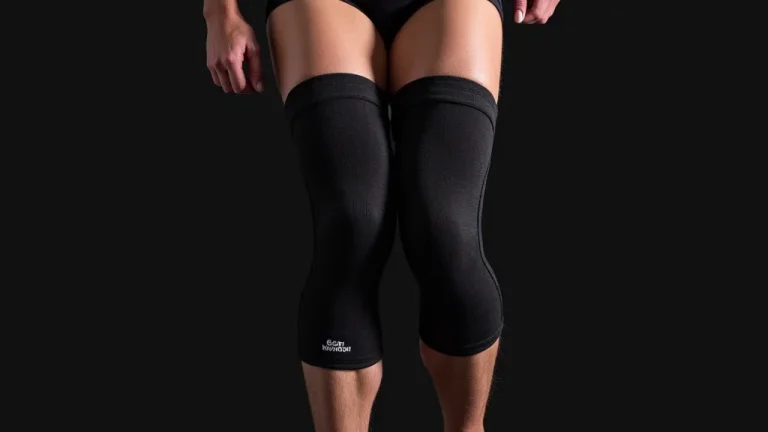
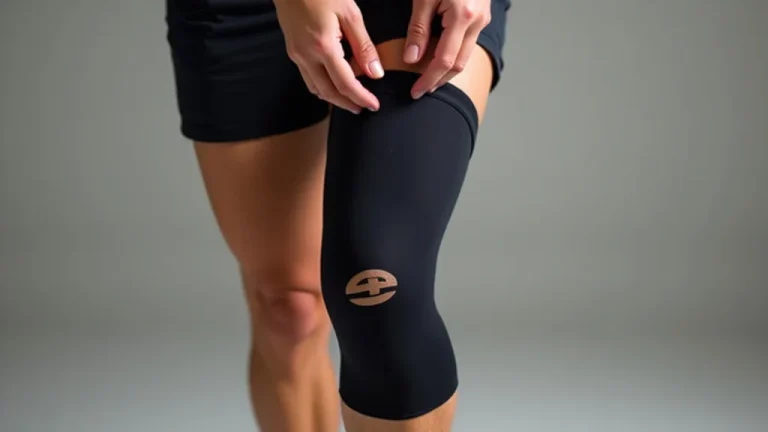
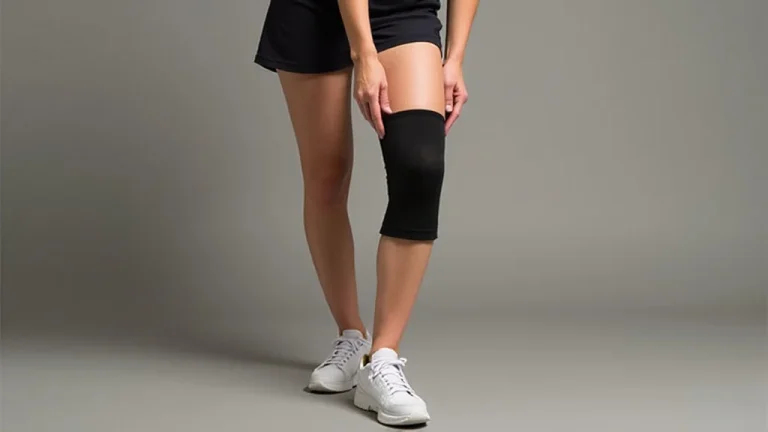
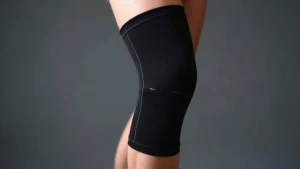
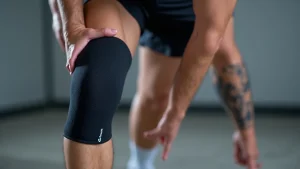
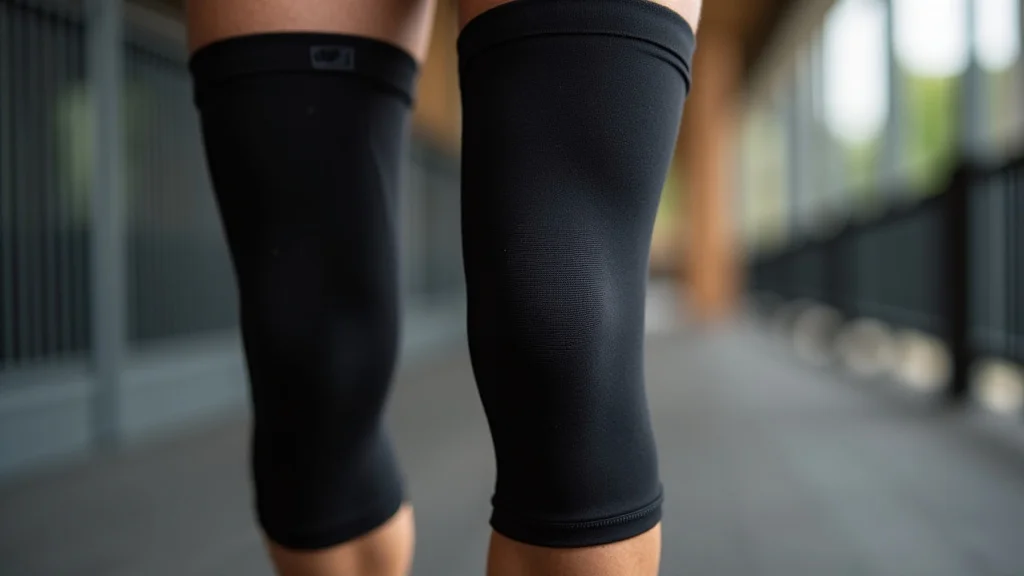
Knee sleeves are often overlooked, yet they are a valuable tool for supporting and protecting your knees. They are essentially compression garments that slip over your knee, offering a variety of benefits. The primary function of a knee sleeve is to provide compression, which can reduce swelling, improve blood flow, and provide a feeling of stability. This added support can be particularly helpful for those with existing knee conditions or those engaged in activities that place significant stress on the knees. They can make a big difference, whether you’re a seasoned athlete or simply looking for extra comfort during your daily routine.
How Knee Sleeves Work
The functionality of a knee sleeve can be attributed to several key mechanisms. Firstly, the compression they provide helps to improve blood circulation. Improved blood flow brings vital nutrients and oxygen to the knee joint, which promotes healing and reduces inflammation. Secondly, the sleeve offers a degree of proprioceptive feedback. Proprioception is your body’s ability to sense its position in space. By providing additional support and compression, knee sleeves can enhance this sense, allowing you to better control your movements and reduce the risk of injury. In essence, they act as a gentle reminder to maintain proper form and protect your knees during any activity.
Types of Knee Sleeve Materials
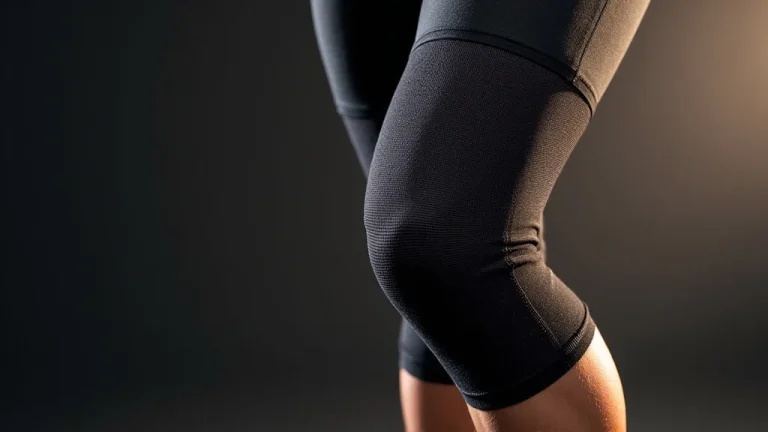
The material of a knee sleeve is important for its effectiveness and comfort. Common materials include neoprene, nylon, and blends of these with other fabrics. Each material has its advantages. Neoprene is popular due to its excellent compression properties and ability to retain heat, which further aids in blood flow and pain relief. Nylon offers breathability and flexibility, making it a good choice for those who need a wider range of motion. The best option is often a blend, such as a neoprene and nylon combination, which provides a balance of compression, breathability, and durability. The choice depends on your activity and personal preference.
Here’s a comparison of common materials used in knee sleeves:
| Material | Pros | Cons |
|---|---|---|
| Neoprene | Excellent compression, retains heat, durable | Can be less breathable, may cause skin irritation in some individuals |
| Nylon | Breathable, flexible, comfortable | Less compression than neoprene, not as effective at retaining heat |
| Polyester | Durable, moisture-wicking | May not offer as much compression as other materials |
| Spandex/Elastane | Excellent stretch, high elasticity, comfortable | Can lose elasticity over time |
Sizing and Fit
The effectiveness of a knee sleeve largely depends on a proper fit. If a sleeve is too tight, it can restrict circulation and cause discomfort. If it’s too loose, it won’t provide adequate support. Most manufacturers provide sizing charts that guide you through measuring your knee circumference. To get an accurate measurement, use a flexible measuring tape and measure around the center of your kneecap while your leg is straight. It’s best to measure in the morning, when swelling is minimal. Comparing your measurement with the manufacturer’s chart will ensure you select the correct size. Remember that the fit should be snug but not restrictive. You should be able to move your knee comfortably, but feel a consistent level of support.
Benefits of Knee Sleeves for Support and Protection
Knee sleeves have gained popularity for good reason: they offer a range of advantages for both athletes and individuals with knee problems. Their ability to provide support, reduce pain, and promote recovery is backed by research and real-world experience. Understanding these benefits can help you assess whether a knee sleeve is the right choice for your needs. It’s not just for athletes; a knee sleeve can be beneficial for anyone looking to stay active, recover from injury, or simply experience more comfort in their daily activities.
Pain Reduction and Management
One of the most immediate benefits of a knee sleeve is pain reduction. The compression provided by the sleeve helps to reduce swelling, a major contributor to knee pain. Increased blood flow brought on by compression delivers oxygen and nutrients to the affected area, aiding the natural healing process and reducing discomfort. This effect is especially helpful for people with arthritis, osteoarthritis, or other conditions that cause chronic knee pain. Knee sleeves can allow people to remain active and continue with daily tasks while minimizing pain. Furthermore, the support provided by the sleeve can reduce the stress on the knee joint, which helps prevent pain during movement.
Enhanced Stability and Support
Knee sleeves improve stability in the knee joint. This added support can be especially beneficial during physical activities or in cases of mild instability. The compression provides a feeling of security, which helps the wearer feel more confident in their movements. This enhanced stability reduces the risk of further injury. For athletes, this can translate to improved performance. For those recovering from an injury, it provides the support needed to participate in rehabilitation exercises with confidence. The extra support can make a major difference in how your knee feels while walking, running, or working out.
Here’s how knee sleeves aid in stability:
- Proprioceptive Feedback: The compression increases the awareness of the knee’s position.
- Reduced Swelling: Less swelling means better joint function and less instability.
- Improved Muscle Activation: The support can assist muscles around the knee, increasing stability.
Injury Prevention and Recovery
Knee sleeves play a significant role in both injury prevention and recovery. During activities, the compression can reduce the stress on the knee joint, reducing the risk of injuries. For individuals recovering from injuries, knee sleeves provide the necessary support to aid healing and provide pain relief. They also offer a way to gradually increase activity levels while maintaining the stability and protection needed to prevent re-injury. They create an environment that promotes healing and lets you return to activity more safely and effectively. Knee sleeves are often recommended by medical professionals as part of a rehabilitation plan.
A study published in the “Journal of Strength and Conditioning Research” found that wearing knee sleeves improved squat performance and reduced perceived exertion in healthy individuals, highlighting the benefits of knee sleeves for support.
Choosing the Right Knee Sleeve: Factors to Consider
With numerous options available, picking the right knee sleeve might feel challenging. However, by considering your specific needs, activity level, and the design of the sleeve, you can find the perfect match. Understanding these factors will ensure you choose a knee sleeve that provides the support and comfort you need. This section will guide you through the process, helping you make an informed decision and find a knee sleeve that is right for you.
Activity Level and Intensity
The type of activity you engage in is a key factor in choosing a knee sleeve. If you are a casual walker or someone who enjoys low-impact exercises, a lighter sleeve made from a breathable material like nylon might be sufficient. If you are involved in high-intensity activities such as weightlifting, running, or sports with quick movements, you may need a more robust sleeve made from neoprene or a blend of materials. These provide more significant compression and support to withstand the demands of intense exercise. Consider the intensity and impact of the activity to determine the level of support your knee needs.
- Low-Impact Activities: Walking, yoga, cycling.
- Moderate-Impact Activities: Hiking, jogging, dancing.
- High-Impact Activities: Running, weightlifting, basketball.
Specific Knee Conditions
If you have any specific knee conditions, your choice of knee sleeve should be guided by those needs. For example, people with arthritis might benefit from sleeves that provide warmth and moderate compression to reduce pain and stiffness. If you have a ligament injury, you might need a sleeve with additional support features, like hinges or straps, to provide added stability. If you’re unsure, it’s best to speak with a healthcare professional or physical therapist. They can suggest the right type of knee sleeve and provide guidance on how it should be used to support your specific needs.
Design Features and Materials
The design and material of the knee sleeve affect its performance and comfort. Look for sleeves that are made from breathable materials to prevent overheating and sweat buildup. Some sleeves include features like silicone gel strips to keep them from slipping during activity. If you want more support, you could consider sleeves with adjustable straps or hinges. The fit is also important. Make sure you select the proper size using the manufacturer’s measurement guide. Consider the design features and materials to ensure that they meet your personal comfort requirements and your activity.
Maintaining and Caring for Your Knee Sleeve
To prolong the life and functionality of your knee sleeve, it’s essential to maintain and care for it correctly. Proper care not only preserves the sleeve’s effectiveness but also helps prevent odors, irritation, and material degradation. Simple care can make a big difference, ensuring that your knee sleeve continues to provide the support and comfort you need for a long time. This section provides key tips on washing, drying, and storing your knee sleeve, so you can make the most of your investment.
Washing and Drying Guidelines
Always follow the manufacturer’s washing instructions for your knee sleeve. Generally, it’s best to hand wash knee sleeves in cold water using a mild detergent. Avoid using harsh chemicals or bleach, which can damage the material and reduce its compression properties. After washing, gently squeeze out excess water, but avoid twisting or wringing the sleeve, as this can distort its shape. Allow the knee sleeve to air dry completely. Do not put it in a dryer, because the heat can damage the material. Regular washing prevents bacterial growth, keeps the sleeve fresh, and makes certain it continues to perform at its best.
Proper Storage
When you’re not using your knee sleeve, store it in a cool, dry place away from direct sunlight and heat. Avoid storing it in damp environments, as this can encourage the growth of mold and mildew, damaging the material and possibly causing skin irritations. It’s often helpful to flatten the sleeve when you store it to preserve its shape and compression. Make sure it’s completely dry before storing it to keep the material in good condition. Proper storage helps to maintain the quality and longevity of your knee sleeve, ensuring it’s ready when you need it.
Regular Inspection and Maintenance
Examine your knee sleeve on a regular basis for signs of wear and tear, such as rips, tears, or loss of elasticity. Inspect the stitching and any support elements, like straps or hinges. If you find any damage, replace the sleeve as necessary to ensure it continues to provide adequate support. Routinely clean any straps or hinges, and make certain they are functioning correctly. Regular maintenance keeps your knee sleeve in top condition, making sure that it provides the required support and continues to meet your requirements effectively. A well-maintained knee sleeve will offer long-term benefits and reduce the risk of injury.
Common Myths Debunked
Myth 1: Knee sleeves weaken your muscles.
This is a common misconception. Knee sleeves support and stabilize the knee joint, which can help your muscles work more effectively. They do not weaken muscles. In fact, by allowing you to exercise with better form and support, they can allow your muscles to be strengthened while the knee joint is supported. However, it’s important to remember that knee sleeves are a supportive aid, not a solution for building muscle strength.
Myth 2: Knee sleeves are only for athletes.
While athletes commonly use knee sleeves, they are beneficial for anyone with knee pain or instability. They help with everyday tasks by providing support, compression, and warmth. They can provide comfort and stability during activities that place stress on the knee, such as walking, working in the garden, or doing household chores. Knee sleeves are a useful tool for people of various fitness levels, ages, and lifestyles.
Myth 3: All knee sleeves are the same.
The variety of knee sleeves available is vast. They differ in material, design, compression level, and added features, like hinges or straps. Some are designed for athletes, while others are suited for those with specific conditions like arthritis. The materials vary, ranging from neoprene for warmth and compression to breathable fabrics for comfort and flexibility. The different features influence the support, stability, and comfort that the sleeve offers. To find the right knee sleeve, it’s essential to consider your individual needs.
Myth 4: Knee sleeves can cure knee injuries.
Knee sleeves offer support, reduce pain, and promote recovery, but they cannot cure injuries. They help to manage symptoms, provide stability, and support the healing process, but they are not a substitute for proper medical care or rehabilitation. Seeking professional medical advice is essential for diagnosis and treatment of knee injuries. Knee sleeves can be a helpful element in your recovery strategy, but they should be used as part of a comprehensive care plan.
Myth 5: Tight knee sleeves are always better.
While compression is essential, a knee sleeve that is too tight can be harmful. Excessive tightness can cut off circulation, restrict movement, and cause discomfort. The ideal knee sleeve fit should be snug, but it should not restrict your movement or cause pain. Proper sizing is key to achieving optimal support and comfort. Always use the manufacturer’s sizing charts to select the correct size and be attentive to how your knee feels while wearing the sleeve.
Frequently Asked Questions
Question: How long should I wear a knee sleeve?
Answer: This depends on your activity and the condition of your knee. You can wear a knee sleeve during exercise, daily activities, or as recommended by a healthcare professional. For some, it may be needed all day, while others may only need it during specific activities.
Question: Can I wear a knee sleeve while sleeping?
Answer: It’s usually fine to wear a knee sleeve while sleeping, especially if you experience pain or instability. However, check that the sleeve isn’t too tight, and remove it if it causes discomfort or restricts blood flow.
Question: How do I clean my knee sleeve?
Answer: Most knee sleeves can be hand-washed with mild soap and cold water. Avoid bleach or harsh chemicals. Allow the sleeve to air dry. Always check the manufacturer’s care instructions for specific guidance.
Question: Can I wear a knee sleeve during sports?
Answer: Absolutely! Many athletes use knee sleeves to provide support and stability during sports activities. The level of support needed depends on the sport and the condition of your knee.
Question: How often should I replace my knee sleeve?
Answer: The lifespan of a knee sleeve depends on how often you use it and how well you take care of it. Regular wear and tear can degrade the materials. Replace your sleeve if it loses compression, shows signs of wear, or no longer provides adequate support.
Final Thoughts
Knee sleeves can be a beneficial addition to your fitness routine or your everyday life. By providing support, compression, and warmth, they help to reduce pain, improve stability, and promote recovery from injuries. The selection of the right knee sleeves for support depends on your activity level, the specific support you need, and your personal comfort preferences. Remembering to choose the correct size, properly care for your sleeve, and address any misconceptions about their use will help you to maximize its effectiveness. If you’re experiencing knee pain, looking to boost your performance during exercise, or simply seeking extra support, exploring the benefits of a knee sleeve can be a worthwhile step. Consider the needs of your knees and feel the difference that this small device can bring to your quality of life.