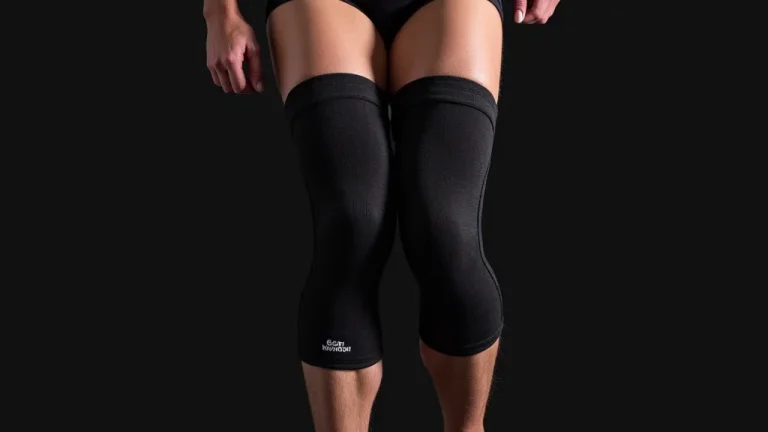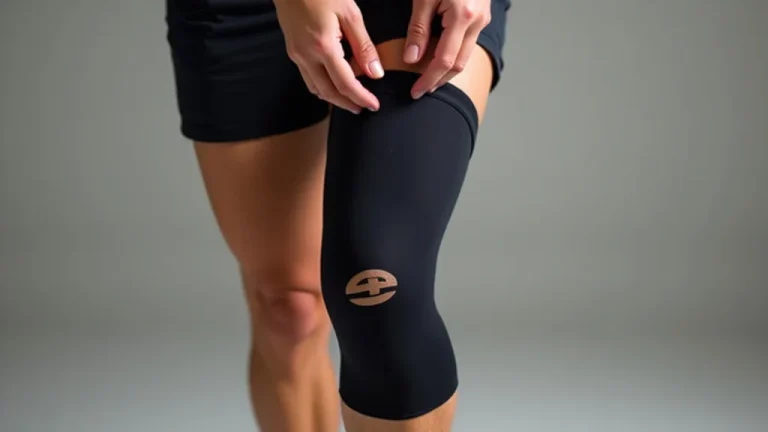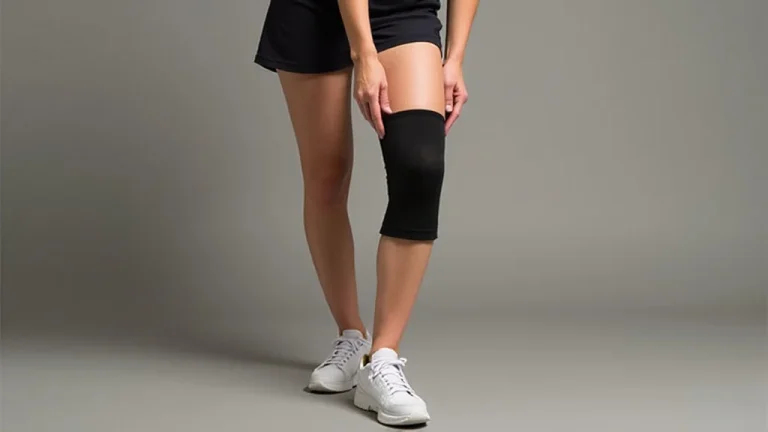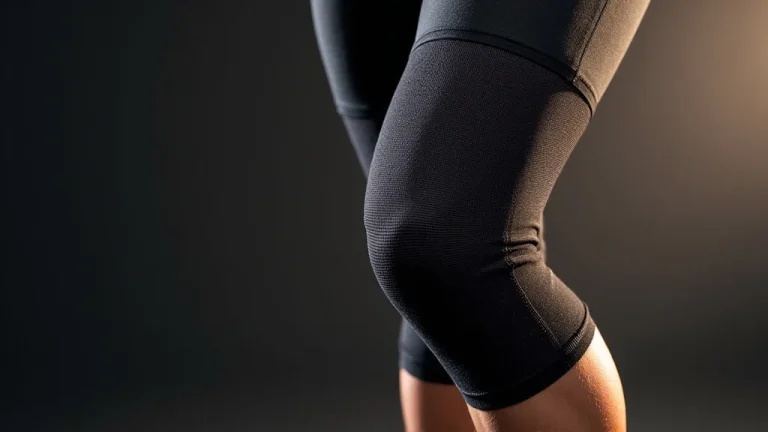
Remember that nagging knee pain after your weekend hike? You weren’t alone. Many people experience similar discomfort, often impacting their daily activities and overall well-being. This post explores the world of knee compression sleeves, shedding light on their benefits and how they can potentially help you. We’ll explore everything from their functionality to how they can enhance your recovery and performance. By the end, you will be equipped with the knowledge to make informed decisions about your knee health and see if knee compression sleeves are the right choice for you.
Key Takeaways
- Knee compression sleeves provide support and reduce pain for various knee conditions.
- They improve blood flow and can aid in quicker recovery after exercise or injury.
- Different types of sleeves offer varying levels of support and features.
- Proper sizing and material selection are important for optimal comfort and performance.
- Knee compression sleeves are suitable for diverse activities from sports to daily routines.
- Understanding potential risks and limitations is vital for their appropriate usage.
Unpacking the Science Behind Knee Compression Sleeves
Knee compression sleeves work by applying gentle pressure around your knee. This pressure has several positive effects on your body. Think of it like a supportive hug for your joint. The pressure helps to increase blood flow to the area, which can reduce swelling and promote healing. Moreover, compression helps to stabilize the knee, reducing unwanted movement and potential for further injury during activity. This can be especially useful during sports or exercise. The sleeves also provide a proprioceptive effect, meaning they improve your awareness of your knee’s position in space, helping with balance and coordination. Finally, compression can reduce pain signals, making your movement feel less uncomfortable.
How Compression Works
The primary function of a knee compression sleeve is to apply consistent pressure to the knee joint. This action produces a cascade of benefits, from reducing pain to accelerating the recovery process. The applied pressure helps to reduce swelling by minimizing the accumulation of fluid in the tissues. This is crucial after an injury or intense workout, as swelling can impede the healing process. In addition, the compression encourages an increase in blood flow. Improved circulation brings more oxygen and nutrients to the injured or stressed area. Enhanced blood flow also helps to clear out metabolic waste products, thereby speeding up recovery. Further, the proprioceptive effect provides better awareness of joint position.
Types of Materials and Their Benefits
The material of a knee compression sleeve significantly affects its performance and comfort. There are several common types, each offering different advantages:
- Neoprene: Neoprene sleeves are known for their excellent heat retention. This can help to increase blood flow and reduce stiffness, making them ideal for individuals looking for pain relief and warmth, especially in colder environments. However, neoprene can be less breathable than other materials and may not be suitable for intense activities due to the potential for overheating.
- Nylon and Spandex Blends: These materials are a popular choice due to their flexibility, breathability, and durability. Nylon and spandex blends provide good compression, wick away moisture, and allow a wide range of motion. This makes them versatile for many activities, from running to everyday use.
- Elastic and Knit Fabrics: These materials offer moderate compression and are often more affordable. They can be a good option for people who need mild support and those with sensitive skin, as the knit construction promotes better breathability.
- Copper-Infused Fabrics: Some sleeves are made with copper-infused fabric, which is promoted to have anti-inflammatory and antimicrobial properties. However, scientific evidence supporting these claims is still developing, and the effectiveness of copper-infused fabrics can vary.
The right material for you will depend on your needs, activity level, and personal preferences. Considering factors like breathability, support level, and heat retention will ensure you select a sleeve that maximizes comfort and effectiveness.
Advantages and Uses of Knee Compression Sleeves
Knee compression sleeves have several advantages, extending beyond simply providing support. Their benefits span a broad spectrum, making them helpful for individuals of all activity levels, from professional athletes to those managing mild knee discomfort. The use of compression sleeves has seen an upswing in recent years. This is due to greater awareness of their benefits and how they can be used for various purposes.
Improving Performance and Enhancing Recovery
Athletes often use knee compression sleeves to improve their performance and speed up recovery. The compression increases blood flow, which delivers more oxygen and nutrients to the muscles, reducing fatigue and improving endurance. The proprioceptive feedback from the sleeve helps with balance and coordination, which is helpful during explosive movements and quick directional changes. In the recovery phase, compression reduces swelling and speeds up the removal of waste products, such as lactic acid. This helps to reduce muscle soreness and decrease the time needed to heal after exercise.
Managing Pain and Providing Support
Individuals with arthritis, tendinitis, or other knee problems often use knee compression sleeves for pain management and support. The compression helps to reduce swelling and can provide relief from the pressure on the joint. The added support of a sleeve can stabilize the knee, reducing unwanted movements and the potential for further injury. Many people find that wearing a knee sleeve allows them to stay active and participate in daily activities with less discomfort. The added warmth from the sleeve can soothe aching joints and muscles.
Real-Life Examples and Benefits
- Marathon Runners: Distance runners often wear knee sleeves to support their knees during long training runs and races. The compression helps to reduce muscle fatigue, improve blood flow, and provide joint support, which decreases the risk of injuries.
- Basketball Players: Basketball requires quick cuts, jumps, and changes in direction. Knee sleeves provide stability, reducing the risk of sprains and strains. They also help improve the proprioceptive awareness of the knee, which is important for balance and coordination.
- Office Workers: People who spend long hours sitting at a desk can develop knee pain from overuse or improper posture. Knee compression sleeves offer support and can encourage proper alignment, easing discomfort.
Choosing the Right Knee Compression Sleeve
Selecting the correct knee compression sleeve is vital for ensuring you get its intended benefits and for avoiding any potential issues. Several factors should be taken into account when making your choice, from understanding sizing guidelines to recognizing the support levels available.
Sizing and Fit
The fit of a knee compression sleeve is vital. Too tight, and it can restrict blood flow and cause discomfort. Too loose, and it will not provide enough support. Every brand has its sizing chart, so carefully measure your knee circumference (usually around the middle of the kneecap) and compare it to the chart. Read reviews to find out if the sleeve runs small, large, or true to size. When putting on the sleeve, ensure it is centered on your knee, with the kneecap properly aligned in the center. If it is too difficult to get on, consider a larger size or a different type of sleeve.
Understanding Support Levels and Features
Knee compression sleeves come in different support levels, each intended for varying needs:
- Light Support: These sleeves provide gentle compression and are helpful for everyday activities and minor discomfort. They usually improve circulation and may help to prevent mild pain.
- Moderate Support: These sleeves offer more compression and are suitable for people with mild to moderate knee pain, such as after exercise or during activities. They often have added features like reinforced stitching.
- Firm Support: These sleeves provide a high level of compression and are often recommended for those with knee instability, arthritis, or after an injury. They often include additional features like hinges or stays to provide greater support and stability.
- Features: Some sleeves also have extra features, like silicone gel pads for added support or anti-slip bands to keep them in place during movement. Some are designed with breathable materials to prevent overheating.
The support level you require will depend on your specific needs and activity level. If you are uncertain, consult with a physical therapist or healthcare professional.
Material Considerations and Selection
The material of your knee compression sleeve is another important factor. As previously mentioned, different materials have varied benefits. Consider the following when making your choice:
- Breathability: If you plan to wear the sleeve during exercise, consider a material that breathes well to avoid overheating and sweat buildup.
- Durability: Choose a material that will hold up to the activities you plan to do while wearing the sleeve.
- Hypoallergenic: If you have sensitive skin, select a hypoallergenic material to prevent skin irritation.
- Ease of Cleaning: Look for a material that is simple to clean and maintain, such as a machine-washable fabric.
By considering these factors, you can choose a knee compression sleeve that meets your personal needs and offers the support and comfort you are looking for.
Knee Compression Sleeves for Specific Activities
Knee compression sleeves are suitable for a wide range of activities. Whether you are a professional athlete, weekend warrior, or someone trying to manage daily pain, there is a knee compression sleeve that can enhance your performance and support your joints. Here are several examples of how knee compression sleeves can improve performance in distinct activities.
Sports and Exercise
From high-impact sports to low-intensity workouts, knee compression sleeves can provide considerable benefits. Athletes in sports like running, basketball, volleyball, and weightlifting regularly wear sleeves to help them perform at their best. Compression can decrease muscle fatigue and improve joint stability, reducing the risk of injuries during explosive movements. For runners, the sleeves help absorb impact forces and minimize the stress on the knee. Basketball players can benefit from greater support during sudden stops and turns. Weightlifters often use them to stabilize their knees during heavy squats and other exercises. In addition, compression sleeves can help speed up recovery after intense exercise sessions by promoting circulation and minimizing swelling. By wearing a knee sleeve, athletes can improve performance, reduce the risk of injury, and experience quicker post-exercise recovery.
Daily Use and Rehabilitation
Beyond sports and exercise, knee compression sleeves are helpful in daily life and during rehabilitation. People with arthritis or knee pain can wear them to provide support and reduce discomfort during everyday activities such as walking, climbing stairs, or prolonged standing. This support can improve mobility and allow individuals to maintain an active lifestyle. After a knee injury or surgery, a compression sleeve can be a useful tool to support healing. The compression helps reduce swelling and promotes blood flow to the injured area, aiding in the recovery process. The added stability from the sleeve can help to prevent further injury and reduce the risk of re-injury. People with conditions like meniscus tears or ligament sprains often find compression sleeves particularly helpful as they rehabilitate.
Activity-Specific Recommendations
- Running: Choose a sleeve with good breathability and moderate compression to support the joint and reduce muscle fatigue during long distances.
- Weightlifting: Pick a sleeve with higher compression to provide stability and support during squats and other exercises.
- Basketball: Select a sleeve that provides a balance of support and flexibility to allow for quick movements and changes in direction.
- Everyday Activities: Look for a lightweight sleeve with moderate compression for support and comfort during daily tasks.
Common Myths Debunked
There are several misconceptions about knee compression sleeves. It’s important to separate fact from fiction to make informed choices.
Myth 1: Knee Compression Sleeves Weaken Muscles
Contrary to this, knee compression sleeves don’t weaken the muscles. They provide support to the knee joint, which can help reduce strain and improve performance. By promoting better blood flow and reducing swelling, the sleeves can support faster recovery. They don’t take the place of strong muscles, but rather, they support the joint and help muscles work more efficiently.
Myth 2: Compression Sleeves Are Only for Injuries
This is untrue. While compression sleeves are valuable for injury recovery, they are also helpful for prevention and performance enhancement. Athletes and active individuals use sleeves to reduce muscle fatigue, improve stability, and boost overall performance. They are helpful for anyone looking to support their knees during activity, not just for people who already have injuries.
Myth 3: All Knee Sleeves Are the Same
This is inaccurate. Knee compression sleeves vary greatly in terms of compression levels, materials, and added features. Some are designed for light support, while others provide firm compression and added stability. The materials used also affect breathability and durability. Therefore, the right sleeve will depend on individual needs, activities, and preferences. Consider the sleeve’s design, support level, and the material when making a choice.
Myth 4: Compression Sleeves Are a Cure-All
While compression sleeves can help with pain management, support, and recovery, they aren’t a standalone solution for all knee problems. They are most effective when paired with other treatments, such as physical therapy, proper exercise, and medical care. People with severe knee conditions or injuries should consult with a healthcare professional for diagnosis and guidance on proper treatment.
Myth 5: Wearing a Sleeve Will Prevent All Knee Injuries
A knee compression sleeve can reduce the risk of certain injuries by providing support and stability, but it cannot prevent all injuries. Proper warm-up, proper form, and appropriate activity modification are just as, or more, critical for injury prevention. Compression sleeves are most helpful when used as part of a proactive approach to knee health, not as the only line of defense.
Frequently Asked Questions
Question: Can I wear a knee compression sleeve all day?
Answer: It’s generally safe to wear a knee compression sleeve for an extended period; however, you should pay attention to how your knee feels. If you experience discomfort or swelling, consider removing the sleeve. Consult your doctor or physical therapist for advice.
Question: Can I sleep in a knee compression sleeve?
Answer: Yes, you can sleep in a knee compression sleeve if it feels comfortable. It may help reduce pain and swelling during the night. Be sure the sleeve fits properly and does not restrict circulation.
Question: How do I clean my knee compression sleeve?
Answer: Check the manufacturer’s instructions for cleaning. Usually, you can wash the sleeve by hand or in a machine, with mild detergent, and air dry it. Avoid using bleach or fabric softeners, as they can damage the material.
Question: Are there any risks associated with wearing a knee compression sleeve?
Answer: Risks are minimal when used correctly, but if the sleeve is too tight, it can restrict blood flow and lead to discomfort. In certain cases, it may cause skin irritation if the material causes an allergic reaction. Be sure to stop use if you experience any adverse effects.
Question: How long do knee compression sleeves last?
Answer: The lifespan of a knee compression sleeve varies based on the quality of the material, the frequency of use, and how well you care for it. Generally, you can expect the sleeve to last for several months or up to a year with proper use and cleaning.
Final Thoughts
Knee compression sleeves offer a range of advantages for individuals looking to support and care for their knees. They are a practical tool for athletes striving for peak performance, those recovering from injuries, and those seeking relief from everyday knee pain. By increasing blood flow, reducing swelling, and providing essential support, these sleeves promote healing and enhance comfort during activity. Remember, selecting the correct sleeve is about considering your specific requirements and activity levels. Whether you are aiming to prevent injuries during sports or simply manage chronic discomfort, incorporating a compression sleeve can positively impact your knee health.