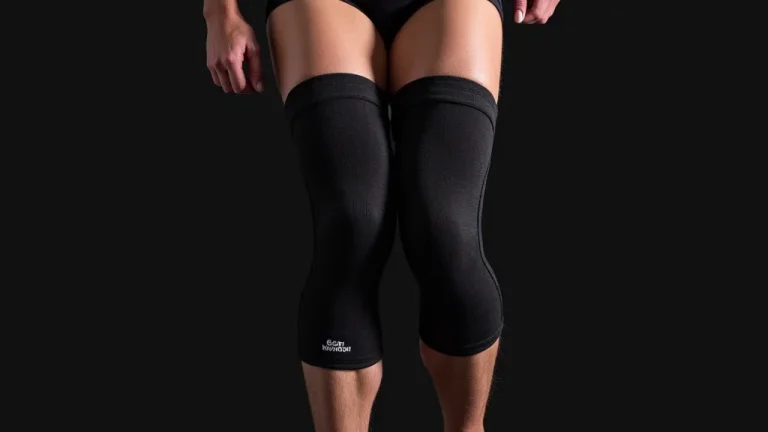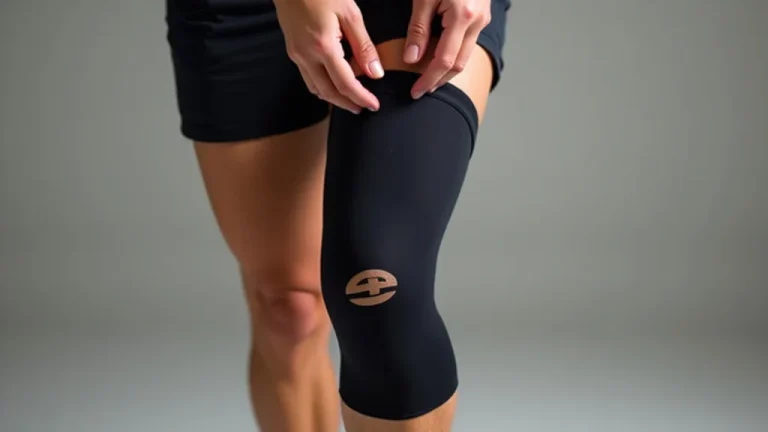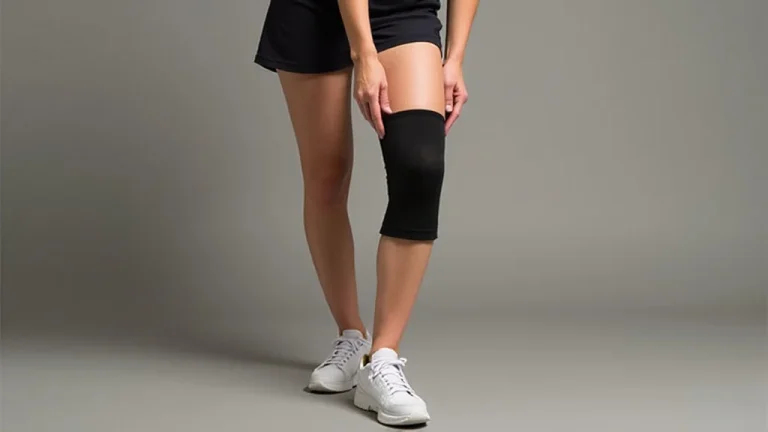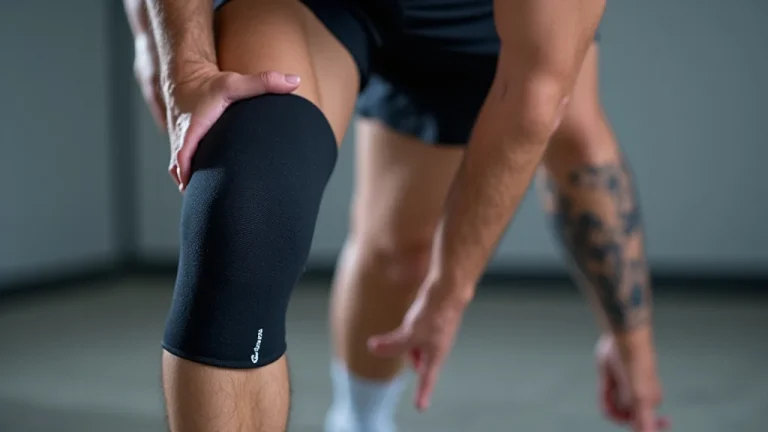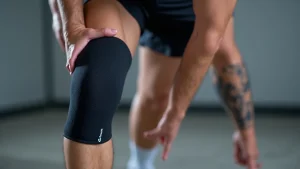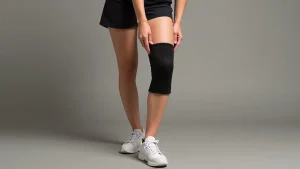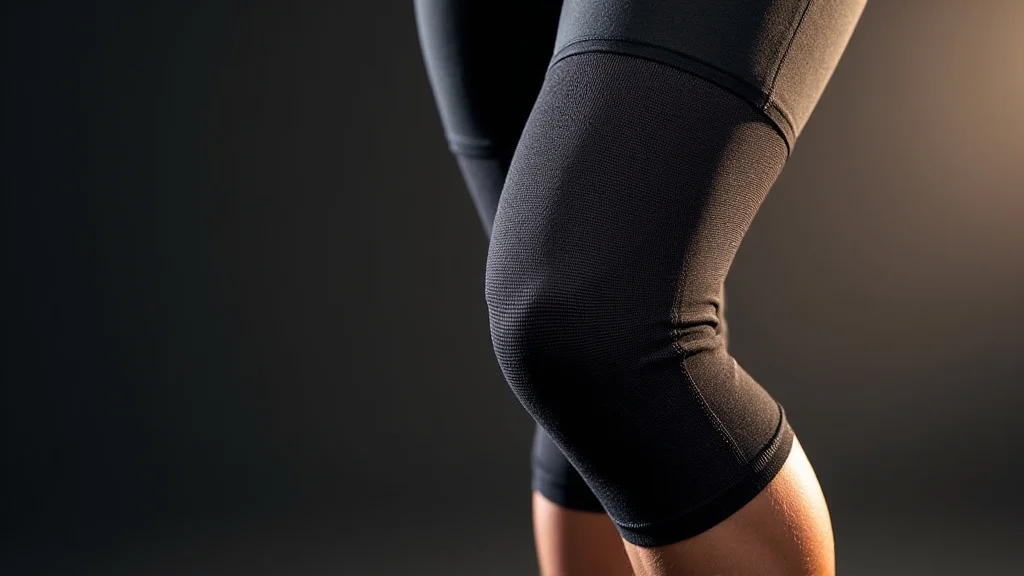
Ever felt that slight twinge in your knee during a heavy squat? Or maybe you’re aiming to break a personal best and want that extra bit of support? You’re not alone! Many lifters experience similar challenges. This guide is your resource to explore the world of inzer knee sleeves. By the end, you’ll have a clear grasp of what they are, how they work, and if they’re right for you. Get ready to enhance your lifting and protect your knees. You’ll gain a thorough awareness of inzer knee sleeves, their benefits, and how to choose the perfect pair to fit your fitness needs, helping you make informed decisions and optimize your workouts.
Key Takeaways
- Discover the primary function of inzer knee sleeves in providing support and stability.
- Learn how inzer knee sleeves can reduce the chance of injury during heavy lifts.
- Explore how these sleeves impact lifting performance.
- Understand the importance of choosing the correct size and type of inzer knee sleeves for your needs.
- Examine how inzer knee sleeves are constructed and the materials utilized.
- Review the best practices for caring for and maintaining your knee sleeves.
The Role of Inzer Knee Sleeves in Strength Training
The world of strength training involves more than just lifting weights. It is about understanding the mechanics of your body and finding ways to optimize your performance and safeguard against injury. Inzer knee sleeves play a vital role in this by offering critical support and stability. Their primary function is to compress the knee joint. This compression has several benefits, including improved blood flow, reduced swelling, and enhanced proprioception, which is the body’s ability to sense its position in space. By providing external support, knee sleeves help to minimize the stress placed on the ligaments and tendons during heavy lifts, which helps significantly reduce the chance of injury. Knee sleeves become an important part of your workout gear.
Support and Stabilization: Understanding the Basics
The support provided by inzer knee sleeves is crucial during exercises like squats, deadlifts, and lunges. When you load the knees with significant weight, the sleeves offer a layer of external support. This support helps to keep the knee joint stable, reducing the amount of lateral and medial movement. The stability provided is particularly helpful in the bottom position of a squat, where the knees are most vulnerable. They also help to distribute the load across the joint, lessening the stress on the ligaments and cartilage. This added support and stability can be a game-changer for lifters who have a history of knee problems or those pushing their limits.
- Compression: Knee sleeves apply compression, enhancing blood flow and warming the joint.
- Lateral Support: They add stability, lessening lateral movement and preventing injury.
- Proprioception: Sleeves help improve your body awareness, allowing for better control.
- Warmth Retention: The sleeves help retain heat, keeping the knee joint flexible.
- Shock Absorption: They offer a degree of impact protection during workouts.
For example, imagine a scenario where a powerlifter is preparing for a heavy squat. Without knee sleeves, the lifter’s knees may feel unstable, and they may experience some pain. With the sleeves on, the lifter is able to feel secure and can focus on executing the lift with proper form. In this way, knee sleeves increase confidence and enable lifters to reach new goals.
Materials and Construction: The Backbone of Knee Sleeves
The materials and construction of inzer knee sleeves are key to their effectiveness. The most commonly used material is neoprene, a synthetic rubber that offers a balance of compression, flexibility, and durability. Neoprene comes in various thicknesses, which impacts the level of support and compression. Thicker sleeves provide more support but may restrict movement. The stitching, seams, and design all contribute to the sleeve’s performance. Quality construction ensures the sleeve can withstand the rigors of heavy lifting, maintaining its shape and support over time. Consider the flexibility offered by the sleeve, which is crucial for full range of motion.
For example, inzer uses high-grade neoprene to make sleeves that give optimal compression and durability. The design is always considered so that the sleeve fits snugly without restricting movement. The stitching must be strong to endure heavy use. These features assure that athletes will get the most out of their sleeves.
Impact on Lifting Performance: Does it Really Help?
Do inzer knee sleeves enhance lifting performance? The answer is a resounding yes, though the exact impact varies depending on several factors. The compression and support offered by the sleeves improve joint stability, which boosts confidence and enables you to lift more weight. They also retain heat, which enhances joint mobility and reduces the risk of injury. Some lifters say they feel a “spring” effect from the sleeves as they come out of the bottom of a squat, which is due to the compression. This is especially helpful during exercises like squats, where optimal power is needed. The benefits of using inzer knee sleeves include a decrease in perceived pain and fatigue. This translates into more reps, more sets, and quicker progress.
Studies have shown that knee sleeves can increase the weight lifted during squats by up to 5-10%. This difference might sound small, but it can be huge for those pushing their personal bests.
Choosing the Right Inzer Knee Sleeves
Selecting the right inzer knee sleeves is more than just picking a pair off the shelf; it is about finding the perfect fit for your body, your training style, and your specific needs. The fit, material, and thickness all play a crucial role in providing the best support and comfort. Choosing the proper sleeves prevents injury. The wrong size, on the other hand, can be counterproductive, either not providing sufficient support or restricting movement. The best sleeves are ones that you barely notice while training but provide the support you need.
Sizing: Finding the Perfect Fit
Getting the right size is the most important step in choosing inzer knee sleeves. Sizing varies based on the manufacturer, but the general method involves measuring the circumference of your knee. Measure around the center of your knee while standing and with your leg straight. Most companies provide a sizing chart that helps convert your measurement to the correct size. When measuring, keep in mind that the sleeves should fit snugly. If you’re between sizes, it’s often better to go with the smaller size for maximum support, unless it feels too tight. Keep in mind that when new, inzer knee sleeves will be tight, but the material usually stretches slightly with use.
- Measure Your Knee: Use a flexible measuring tape to determine the circumference.
- Consult the Chart: Compare your measurement to the manufacturer’s sizing guide.
- Consider Compression: Expect a tight fit for optimal support and performance.
- Try It On: Make sure the sleeve fits securely, without restricting movement.
- Consider Thickness: Select the thickness that best suits your exercise needs.
Let’s say you measure your knee and the result indicates a size between a medium and a large. In this scenario, you might test both sizes to see which feels better. The goal is to get a tight fit without compromising comfort or movement.
Types and Materials: Understanding the Options
Inzer knee sleeves are primarily made from neoprene, but variations exist. The thickness of the neoprene varies. Thicker sleeves provide more support but are less flexible. The level of compression can also vary. Some sleeves focus on compression. Others concentrate on durability. The stitching methods affect the sleeve’s long-term wear and tear. High-quality sleeves are made to be extremely durable and support heavy use.
Consider the type of exercises you will be doing when choosing the best material and type. If you are a powerlifter who prioritizes stability and heavy loads, a thicker sleeve made of high-grade neoprene might be the ideal option. If you are doing activities that involve more movement or cross-training, a thinner, more flexible sleeve might be better.
Fit and Comfort: Striking the Right Balance
Fit and comfort are important when choosing inzer knee sleeves. While the sleeves must be snug for maximum support, they should not restrict movement or cause too much discomfort. The tightness should not affect your ability to squat or move. High-quality sleeves are designed to fit the knee’s natural shape and move with your body. Try different sleeve types to decide which suits your comfort level. A well-fitting sleeve stays in place during your workout and lets you focus on your exercise. If your sleeves are too tight, they can restrict blood flow and affect performance.
For example, you might choose two different sleeve styles, a thick sleeve for heavy lifting and a thinner, more flexible sleeve for mobility work. The goal is to provide the best support while still being comfortable enough to wear throughout your workout.
Caring for Your Inzer Knee Sleeves
Proper care and maintenance ensure your inzer knee sleeves last a long time and maintain their effectiveness. Simple steps can extend the lifespan of your sleeves. Proper care prevents the growth of bacteria and prevents the sleeves from becoming worn out. Maintenance also affects your comfort during workouts. Following these guidelines helps maintain the sleeves in excellent shape.
Washing and Cleaning: Keeping Them Fresh
Regularly washing your inzer knee sleeves is key for hygiene and longevity. After each workout, wipe down your sleeves with a damp cloth to remove sweat and any debris. To clean them thoroughly, hand wash your sleeves in cold water using mild soap. Avoid using harsh detergents or bleach, as these can break down the neoprene. Gently squeeze the excess water out and air dry. Do not put the sleeves in the dryer, as the heat can damage them. Correct washing will remove the sweat.
- Wipe Down After Each Use: Remove sweat and debris with a damp cloth.
- Hand Wash Regularly: Use cold water and mild soap.
- Avoid Harsh Chemicals: Do not use detergents or bleach.
- Air Dry: Allow the sleeves to dry completely, away from heat.
- Store Properly: Keep them in a cool, dry place when not in use.
For instance, after a particularly sweaty workout, wash your sleeves immediately. After hand washing, lay them flat on a towel to dry. This routine prevents odor and preserves the material.
Storage and Maintenance: Extending Lifespan
Proper storage and maintenance protect your inzer knee sleeves when they are not in use. After each use and cleaning, make sure the sleeves are completely dry before storing them. Store the sleeves in a cool, dry place away from direct sunlight and extreme temperatures. Avoid storing them in a gym bag for long periods, as this can trap moisture and cause bacteria. Examine the sleeves regularly for signs of wear and tear, such as tears, loose stitching, or loss of compression. If any issues are found, replace the sleeves. Properly stored sleeves will prevent wear and tear.
For example, keep your sleeves in a dedicated storage bag. You can make sure they’re ready for the next workout.
Common Myths Debunked
Myth 1: Knee Sleeves Weaken Your Knees
The idea that knee sleeves weaken your knees is a common misconception. In reality, knee sleeves provide external support, and they do not weaken the muscles or ligaments of the knee. They support the knee joint and reduce stress. They also promote blood flow. Regular use of sleeves will not make your knees weaker. The focus is to support and protect the joint during heavy lifts. In fact, by providing stability, knee sleeves enable you to train harder and potentially strengthen the muscles around the knee more effectively, further enhancing joint support over time.
Myth 2: All Knee Sleeves Are the Same
The belief that all knee sleeves are identical is far from true. There are various types of knee sleeves. The construction, materials, and features vary widely. From the thickness and compression levels to the design and stitching methods, different knee sleeves have different functions. Some are made for powerlifting and are designed for maximum support. Others provide flexibility. Knowing the difference between each type of sleeve will let you choose one that matches your specific training style and goals. Paying attention to these differences ensures you get the support you need.
Myth 3: Knee Sleeves are Only for Injuries
It is incorrect to think that knee sleeves are only for people who are injured. While they provide excellent support during recovery, inzer knee sleeves can be very helpful for all lifters. They offer proactive support and protection during workouts. They can reduce the chance of injuries, particularly during exercises that put stress on the knees, like squats and deadlifts. Even if you have no previous knee issues, using knee sleeves can help you train with more confidence and push your limits. They can give athletes peace of mind.
Myth 4: Knee Sleeves Replace Proper Form
The assumption that knee sleeves can
Myth 5: Knee Sleeves are Uncomfortable
The idea that all knee sleeves are uncomfortable is also untrue. While knee sleeves are meant to fit snugly and offer compression, many high-quality options are comfortable. They are designed to conform to the shape of the knee. Over time, as the neoprene warms up, the sleeves will become more flexible. Choosing the right size, material, and construction will help ensure comfort. With the right selection, you will hardly notice you’re wearing them during your workout.
Frequently Asked Questions
Question: How often should I replace my inzer knee sleeves?
Answer: The lifespan of inzer knee sleeves varies depending on usage and care. Typically, if you train regularly, you should replace your sleeves every 6-12 months. Watch for signs of wear and tear like stretching, tears, or loss of compression.
Question: Can I wear knee sleeves during all types of exercises?
Answer: Yes, you can wear knee sleeves during various exercises. They are most beneficial during squats, deadlifts, and other exercises that place a high amount of stress on the knees. Consider the sleeve thickness and material based on the type of exercise.
Question: Do knee sleeves affect the depth of my squat?
Answer: No, properly fitted knee sleeves should not restrict the depth of your squat. The key is to choose the correct size and ensure the sleeves provide support without limiting your range of motion.
Question: Is it okay to wash knee sleeves in a washing machine?
Answer: It is better to hand wash your knee sleeves. Washing machines can be harsh on the neoprene material. Hand washing extends the lifespan of your sleeves.
Question: Are inzer knee sleeves legal in all powerlifting competitions?
Answer: Yes, inzer knee sleeves are generally legal in most powerlifting competitions, but it is always best to verify the specific rules of the federation. Rules can vary. Confirm before competing.
Final Thoughts
Inzer knee sleeves offer crucial support and help improve your lifting performance. By choosing the right size and type of sleeve, you can enhance stability, minimize the chance of injury, and experience greater confidence during your workouts. Understanding the construction, materials, and maintenance of your sleeves ensures their longevity and effectiveness. Remember, proper care involves cleaning the sleeves after use. It is equally important to store the sleeves in a cool, dry place. Using the information in this article will help you gain the benefits of inzer knee sleeves while maintaining the health of your knees. Embrace the support and consider how they fit in your overall fitness plan. Invest in quality and make the most of your training. By taking the right steps, you can lift stronger and safer.