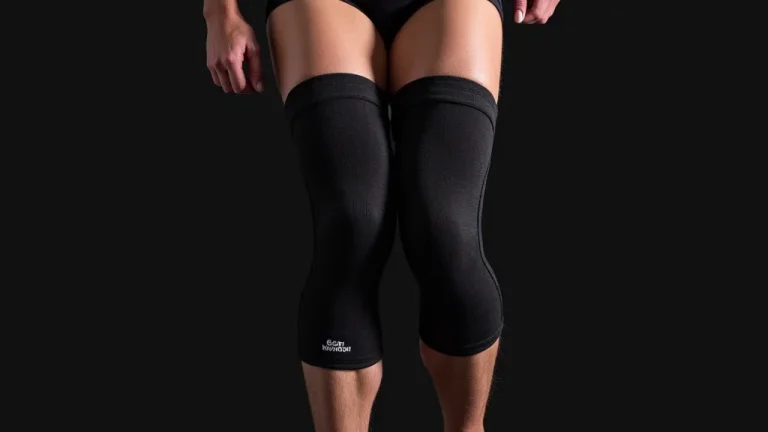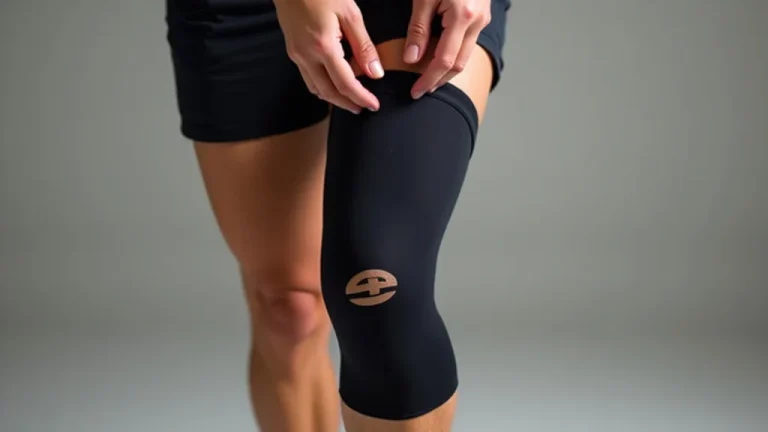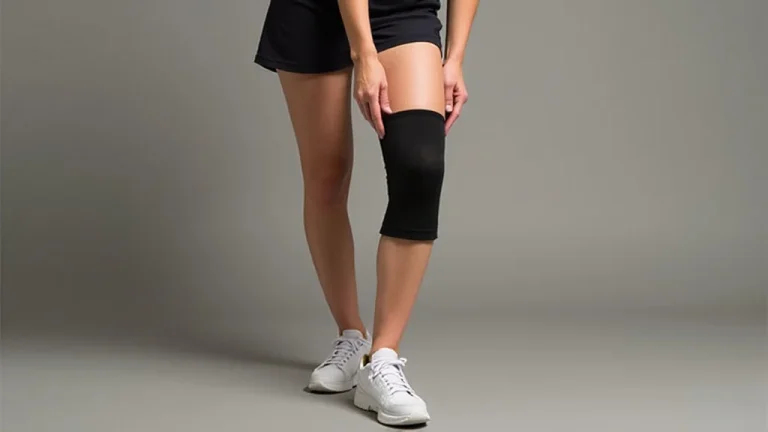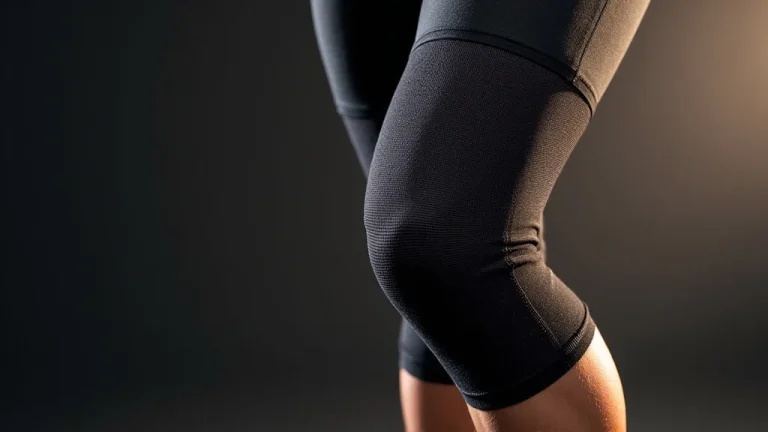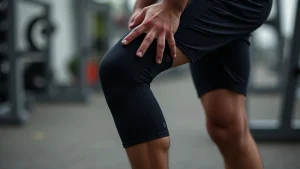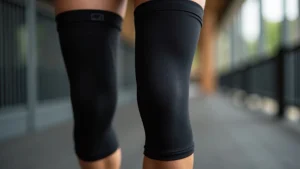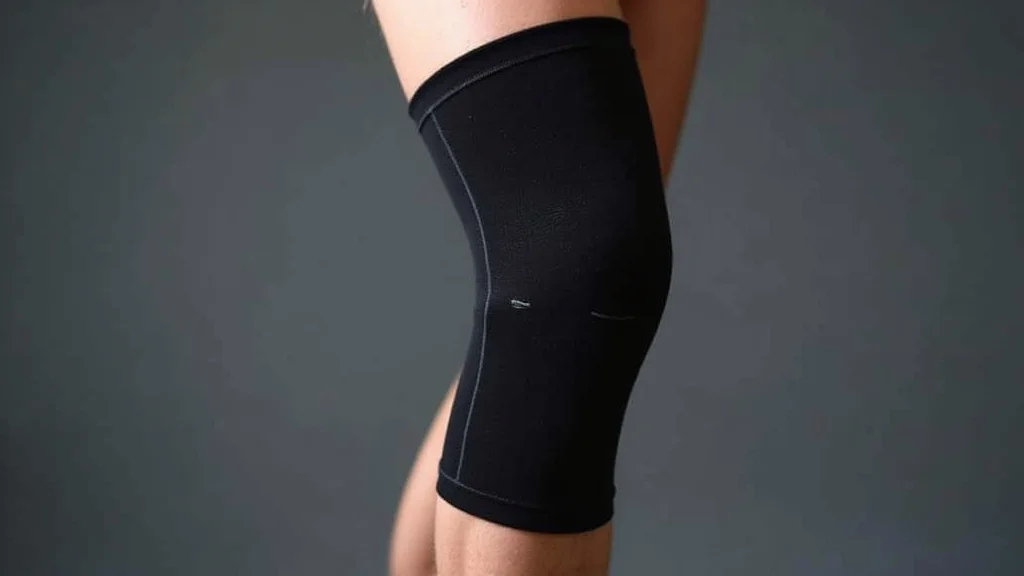
Picture this: you’re ready for your usual workout, but your knee starts acting up. Maybe it’s a nagging pain, or perhaps you’re recovering from something. That’s where best knee sleeves come into play! Finding the right support can make a huge difference in your activity and recovery. This guide will help you understand what to look for and how to choose the right best knee sleeves to fit your needs, enhancing your comfort, safety, and athletic endeavors. You will explore how they work, the different types available, and learn about the benefits and features that will improve your performance. Get ready to discover everything you need to know to find the perfect knee sleeve!
Key Takeaways
- You’ll learn about the different materials used in knee sleeves and their pros and cons.
- Discover the benefits of knee sleeves for various activities and conditions.
- Find out how to measure your knee correctly to get the perfect fit.
- Understand the various features, like compression levels and sizing options.
- You’ll learn how to care for your knee sleeves to ensure longevity.
- Understand how to choose the right knee sleeve for your specific needs.
Understanding Knee Sleeves and Their Purpose
Knee sleeves are essentially supportive garments designed to wrap around the knee joint. They provide compression and warmth, which can help in several ways. The primary purpose is to offer stability and support, especially during physical activities. This support reduces the stress on the knee and can prevent injuries. They are popular among athletes, people with arthritis, and those recovering from injuries. They come in various sizes, materials, and styles, each serving a slightly different purpose.
What Are Knee Sleeves Made Of?
The materials used in knee sleeves significantly impact their performance and comfort. Each material has its own set of advantages and disadvantages. This understanding helps in selecting the right type based on individual needs and preferences. Let’s explore the most common materials used:
- Neoprene: Neoprene is a popular choice due to its excellent compression properties and ability to retain heat. It provides a good balance of support and flexibility, making it suitable for various activities. However, neoprene can trap sweat, leading to discomfort during prolonged use.
- Nylon: Nylon is often used in knee sleeves for its flexibility and durability. It’s lightweight and offers a smooth feel against the skin. Nylon sleeves are generally less expensive than neoprene ones, making them a budget-friendly option.
- Spandex (or Lycra): Spandex, also known as Lycra, is included in many knee sleeves for its excellent stretch and recovery properties. It adds a high level of compression while allowing a full range of motion. This material is usually blended with others, like nylon or neoprene, to provide a mix of benefits.
- Polyester: Polyester is another material often found in knee sleeves. It’s known for its durability, resistance to wrinkles, and ability to wick away moisture. This makes polyester a good choice for sleeves intended for use in warm weather or during high-intensity activities.
Neoprene is an amazing material because of its durability and how well it compresses. It’s used in wetsuits for a reason; it’s water-resistant and keeps you warm. For knee sleeves, this translates to keeping the joint warm and promoting blood flow. The compression helps reduce swelling and provides that important support. If you tend to sweat a lot, keep in mind that neoprene might not breathe the best.
Nylon knee sleeves are great because they are flexible and move well with you. They’re good for sports where you need a wide range of motion. The downside is that they don’t offer as much compression or warmth as neoprene. If you are looking for light support and breathability, nylon might be a good choice.
Spandex is all about flexibility and movement. It adds that extra stretch needed for dynamic activities. When blended with other materials, it contributes to better compression and a more comfortable fit. The downside can be that spandex by itself isn’t the most durable, so it’s usually combined with other materials for added strength.
Polyester knee sleeves are great for their durability and moisture-wicking qualities. They’ll keep you dry and comfortable during your workouts. The material is very resilient to wear and tear. It might not offer the same level of compression as neoprene or spandex, so it’s best for users who need a balance of support and breathability.
Benefits of Wearing Knee Sleeves
Knee sleeves offer a wide array of benefits that cater to various needs, from injury prevention to enhanced performance. These benefits extend to people of all ages and activity levels. They provide much more than just simple comfort, and this section will explore some of the key advantages of knee sleeves.
- Pain Relief: Knee sleeves can alleviate pain by providing compression, which reduces swelling and increases blood flow. This is especially helpful for those with conditions like arthritis or tendinitis.
- Improved Support: Knee sleeves offer stability to the knee joint, which is crucial during physical activity. They help prevent unwanted movements and reduce the risk of injuries like sprains and strains. This is particularly beneficial for athletes or those engaged in high-impact activities.
- Enhanced Performance: By providing support and reducing fatigue, knee sleeves can improve performance during workouts. The compression aids in blood flow, which helps deliver oxygen to the muscles, leading to increased endurance and strength.
- Injury Prevention: Using knee sleeves is a great way to prevent knee injuries. By providing added stability and reducing the impact on the joint, the sleeves minimize the risk of sprains, strains, and other common injuries. They are very useful for those at risk due to a previous injury or those playing high-impact sports.
- Faster Recovery: The compression provided by knee sleeves encourages blood flow, which can speed up the healing process after an injury or intense workout. This helps reduce swelling and promotes the delivery of nutrients to the damaged tissues.
Compression helps reduce swelling and inflammation around the knee joint. This can drastically lower the amount of pain one might be experiencing. The added warmth from the sleeve can also soothe sore muscles. For everyday aches or conditions like arthritis, the pain relief offered by knee sleeves can make a big difference in comfort and mobility.
The extra support from a knee sleeve is like having a second layer of protection for your knee. This helps keep the joint aligned and reduces the chance of injuries. The compression also improves proprioception, meaning you have better awareness of your body’s position in space, which helps prevent awkward movements that can cause harm.
Athletes and fitness enthusiasts often find that knee sleeves improve their performance by reducing muscle fatigue. The added support and warmth keep the knee joint working efficiently. The improved blood flow means the muscles get more of what they need to power through exercises. This benefit is something many find to be a crucial element of their routine.
One of the best ways to protect your knees is to take preventative measures. Knee sleeves add a layer of protection that reduces stress on the joint. This is especially helpful during high-impact activities where the risk of injury is higher. Those with a history of knee problems will greatly appreciate the extra security they offer.
When you’re recovering from a workout or a minor injury, knee sleeves are a great way to speed things up. The increased blood flow brings vital nutrients to the injured area. Compression helps to manage swelling, which is important for healing. If you have any soreness, knee sleeves can also provide much-needed support.
Choosing the Best Knee Sleeves for Your Needs
Selecting the right knee sleeve involves considering several factors to ensure it provides the most effective support and comfort. Your needs dictate the type, material, and features that will work best. This section guides you through the process, helping you make an informed decision for optimum results. It will help you in the selection process to make sure the sleeves are perfectly matched to your specific needs.
Assessing Your Activity Level and Needs
The first step in choosing a knee sleeve is to consider how you will use it. Are you a competitive athlete, a weekend warrior, or someone with a chronic knee condition? Your activity level and specific needs will guide your choice. Think about the intensity and frequency of your workouts or daily activities. This will help determine the level of support, flexibility, and features you require.
- For Athletic Activities: If you’re involved in high-impact sports like weightlifting, running, or basketball, prioritize sleeves that offer a high degree of support and compression. Look for durable materials like neoprene or blends that provide warmth and stability. The extra support can make a big difference in performance and injury prevention.
- For General Support: For everyday wear or light activities, a less intense compression sleeve might be appropriate. Consider materials like nylon or blends that offer breathability and comfort. These can provide a moderate level of support for minor aches or mild arthritis.
- For Injury Recovery: If you’re recovering from an injury or dealing with a chronic condition, you may need a higher level of support and compression. Look for sleeves made from neoprene or those with reinforced features. Always consult your doctor or physical therapist to determine the appropriate type and level of support.
- For Arthritis Relief: People suffering from arthritis can benefit greatly from the warmth and compression offered by knee sleeves. Look for sleeves made from neoprene or materials that retain heat. This will help reduce pain and stiffness. If your arthritis is severe, you might need a sleeve with additional support features.
The key here is to find a balance between support and movement. You want something that will protect your knees during those quick cuts and powerful jumps, but you also need to ensure it doesn’t limit your range of motion. Look for sleeves that are specifically designed for your sport.
In this case, the focus should be on all-day comfort. Your sleeve should provide gentle support without feeling too constricting. Breathability is key, especially if you plan to wear it for long periods. You can also explore options that can be worn under clothing.
When in recovery, your primary goal is to protect and support the injured area. Your doctor or physical therapist will probably have some recommendations. A sleeve designed for recovery should offer the support you need, but should not affect the recovery process. This means a good balance between compression and freedom of movement.
For arthritic knees, warmth and compression are essential. Heat helps soothe stiff joints, and compression reduces swelling. It’s often helpful to find a sleeve that is easy to put on and take off, since mobility might be limited. Make sure you can comfortably wear it throughout the day.
Understanding Compression Levels
Knee sleeves come in different levels of compression, each tailored to different needs. The level of compression determines the amount of pressure the sleeve exerts on your knee joint. The right compression level will depend on your activity and goals, so understanding the difference is key to getting the benefits you want.
- Light Compression: Light compression sleeves provide a gentle squeeze that improves circulation and reduces minor swelling. They are ideal for everyday use, light activities, and general support.
- Moderate Compression: Moderate compression sleeves offer a higher level of support and are suitable for moderate activities. They help stabilize the joint and are effective for mild pain relief and injury prevention.
- High Compression: High compression sleeves offer the most support. They are designed for high-impact activities and post-injury recovery. They significantly reduce swelling, provide maximum support, and offer greater pain relief.
Light compression sleeves are perfect for those who want a little extra support but don’t need intense compression. The light pressure increases blood flow, which helps with muscle recovery. These sleeves are very comfortable to wear for extended periods.
If you’re looking for support for a workout or a more active lifestyle, moderate compression will be a good choice. They provide enough pressure to support the knee joint during exercise. They are also suitable for managing minor aches or discomfort.
High compression sleeves are perfect if you’re involved in intense workouts or recovering from a significant injury. These sleeves offer more stability and are proven to reduce swelling. However, they can be restrictive, so make sure they fit correctly and are not causing discomfort.
Proper Sizing and Fit
Getting the right size is essential for the effectiveness and comfort of your knee sleeve. A sleeve that is too loose won’t provide adequate support, while one that is too tight can restrict blood flow and cause discomfort. Precise measuring is the key to ensuring the sleeve performs its intended function.
- Measure Your Knee: Use a flexible measuring tape to measure the circumference of your knee. Measure around the center of your kneecap while your leg is straight. Make sure the measuring tape is snug but not too tight.
- Consult the Sizing Chart: Each manufacturer has its own sizing chart. Review the chart to find the size that corresponds to your measurement. Sizes typically range from small to extra-large. Some sleeves may offer extended sizes for greater customization.
- Consider the Shape: Some sleeves are designed to be more specific to the shape of your knee. This is something to consider if you’re looking for more customized support.
- Try It On: Once you receive the sleeve, try it on to make sure it fits properly. The sleeve should be snug but not too tight that it restricts circulation or movement. If the sleeve feels too tight, size up. If it feels loose, size down.
Accurate measurement is the first step in finding the perfect fit. Make sure you stand straight and relax your leg. Check the product’s sizing chart to find the measurement range that matches your knee circumference.
Don’t just pick the size you usually wear. Refer to the manufacturer’s sizing chart as they vary. These charts are based on the specific design of the sleeve. If you’re between sizes, it is often better to choose the larger size for comfort or the smaller size for more compression.
Some sleeves are designed with extra support in specific areas. These features may provide additional stability or enhance their performance. When choosing a sleeve, think about the design and the kind of support you need.
The best way to tell if the sleeve fits is to try it on. If it feels uncomfortable or restricts your movement, you might need a different size. Walk around and do some simple exercises to see how the sleeve feels under motion. If the sleeve keeps slipping or rolling down, it is likely too big.
Knee Sleeve Features and Designs
Knee sleeves come in a range of designs and with different features, all aimed at enhancing their functionality and comfort. These details make a big difference in how well the sleeve fits your needs. This section will dive deeper into some of the most important aspects of knee sleeves, helping you select the best match for your activity and physical requirements.
Advanced Design Features
Beyond the basic support and compression, many knee sleeves come with enhanced features that boost performance and comfort. These designs are intended to meet specific needs and provide additional benefits. The selection of these advanced features will greatly improve your knee sleeve experience.
- Patella Support: Some sleeves incorporate a patella (kneecap) gel pad or reinforced design to provide extra stability and support. This helps keep the kneecap properly aligned.
- Hinges: Hinged knee sleeves offer the greatest level of support and stability. These are often used for post-injury recovery or by athletes who need extra support during high-impact activities.
- Adjustable Straps: Some knee sleeves come with adjustable straps. These allow you to customize the fit and compression level. This is perfect if you have variable swelling or need extra support at different times.
- Moisture-Wicking Materials: If you sweat a lot during exercise, a sleeve made from moisture-wicking materials is ideal. These materials help pull sweat away from the skin. This keeps you dry and comfortable.
If you’ve ever felt that your kneecap is not sitting properly, you will love the patella support. These pads provide the right amount of stability and reduce pain caused by improper alignment. Look for sleeves that also include gel pads, as this extra layer offers another level of comfort.
Hinges are an amazing option for maximum stability and support. Hinged sleeves are the most supportive. They are like having a brace, but they still provide the compression and warmth of a standard sleeve. They’re useful for those who need high levels of support.
Adjustable straps help to fine-tune the fit of the sleeve. You can increase or decrease the compression as needed. This flexibility is great, because it allows you to adapt the support. They are ideal for people with varying needs.
If you sweat a lot, moisture-wicking materials will greatly improve your experience. These fabrics ensure that you remain dry and comfortable. This is particularly important for high-intensity activities or workouts in warm weather.
Comparing Knee Sleeve Styles
Knee sleeves are not a one-size-fits-all product. There are various styles available, each designed for different purposes and preferences. Understanding these different styles is key to finding a sleeve that fits your needs.
| Knee Sleeve Style | Key Features | Ideal Use |
|---|---|---|
| Compression Sleeve | Provides even compression, offers support and warmth, often made of neoprene, nylon, or spandex. | General support, light activities, injury prevention, mild pain relief. |
| Hinged Sleeve | Includes hinges on the sides for additional support and stability, often used for injury recovery and high-impact activities. | Post-injury recovery, high-impact sports, athletes needing maximum support. |
| Open Patella Sleeve | Features an opening around the kneecap for enhanced flexibility and reduced pressure on the patella, made from breathable materials. | Arthritis, tendinitis, activities requiring a full range of motion. |
| Sleeves with Straps | Includes adjustable straps for customized fit and compression level, made from neoprene or breathable fabrics. | Variable swelling, activities requiring adjustable support, post-injury recovery. |
Caring for Your Knee Sleeves
Proper care and maintenance will prolong the life of your knee sleeves and ensure they continue to provide the support and comfort you need. Simple steps like washing and storing them correctly will keep them in top condition. By following these guidelines, you can keep your sleeves in great condition for many workouts to come.
Washing and Maintenance
Regular cleaning is essential for maintaining your knee sleeves and keeping them hygienic. The specific steps you take may vary based on the material, but some basic guidelines apply to most types. Here are the steps you can follow to maintain your knee sleeves:
- Hand Washing: The best way to wash your knee sleeves is by hand, with mild soap and cold water. Avoid using harsh detergents, as they can damage the material and reduce the effectiveness of the compression. Rinse thoroughly.
- Machine Washing: If the care instructions allow, you can machine wash your knee sleeves on a gentle cycle. Use a mesh laundry bag to prevent snags and protect the sleeve from damage. Avoid hot water, as it can degrade the elastic fibers.
- Drying: Always air dry your knee sleeves. Avoid using a dryer, as the heat can damage the material and reduce its compression properties. Lay the sleeves flat or hang them up in a well-ventilated area.
- Regular Inspection: Inspect your knee sleeves regularly for any signs of wear and tear, such as rips or loss of elasticity. Replace the sleeves when they show signs of damage. This will ensure they continue to provide adequate support and protection.
Hand washing helps maintain the sleeve’s elasticity and shape. Gentle washing prevents wear and tear, and using mild soap makes sure the sleeve remains clean without causing damage. Make sure you rinse off all the soap for skin health and to avoid irritation.
The mesh bag protects the sleeves during the wash. A gentle cycle reduces wear and tear. Cold water helps maintain the sleeve’s shape. Always check the care label on your sleeve for specific machine-washing instructions.
The heat from a dryer can damage the fabrics, reducing their ability to compress and support your knee. Air drying preserves the material’s elasticity. Make sure they are completely dry before you wear them to avoid skin irritation.
A damaged sleeve will not provide the support you need, which will put your knee at risk of further injury. Regular inspections will help catch any potential problems early. If you see wear and tear, it is time to replace the sleeve.
Storage Tips
Proper storage is important for preserving the shape and effectiveness of your knee sleeves. Correct storage helps to prevent damage and ensures that the sleeves are ready for use. Following these simple steps will ensure that the sleeves will last longer.
- Cool, Dry Place: Store your knee sleeves in a cool, dry place away from direct sunlight and heat. Avoid storing them in damp environments, as this can encourage the growth of mold or mildew.
- Avoid Folding: To maintain the elasticity and shape of your knee sleeves, avoid folding them tightly for extended periods. This can cause creases and reduce their effectiveness.
- Separate Storage: Store your knee sleeves separately from other items, especially items with rough surfaces or sharp edges that could snag or damage the material.
Direct sunlight and heat can damage the materials in your sleeves. Damp environments can lead to mold and mildew, damaging the fabric and potentially causing health issues. A cool, dry location will keep your sleeves in good condition.
Folding your sleeves can damage the elastic fibers, making them less effective over time. If possible, keep them flat or loosely rolled up. This helps maintain the sleeve’s shape.
Storing the sleeves separately helps protect them from accidental damage. Avoid placing them with items that can cause wear and tear. This helps to extend the life of your sleeves.
Common Myths Debunked
There are many misconceptions about knee sleeves. Separating fact from fiction can help in making informed decisions. By understanding the truth, you’ll be well on your way to a better experience with knee sleeves.
Myth 1: Knee Sleeves Weaken Knee Muscles
The Reality: Knee sleeves provide external support, but they don’t weaken the muscles. In fact, by providing stability and reducing pain, they can help you maintain or even enhance your workouts, thus promoting muscle strength.
Knee sleeves add external support, which reduces the amount of stress on the joints. This can actually enhance exercise, as you are able to keep working. Proper exercise is crucial for keeping muscles strong. Therefore, by enabling you to exercise without pain, knee sleeves promote muscle strength.
Myth 2: All Knee Sleeves Are the Same
The Reality: Knee sleeves vary greatly in terms of materials, compression levels, and features. They are available in various styles. The right choice depends on your needs.
Knee sleeves are designed for many needs and activities. Some offer high compression for intense workouts, while others offer light support for daily activities. Choosing the right one for your specific needs is a must.
Myth 3: Knee Sleeves Are Only for Athletes
The Reality: While athletes commonly use knee sleeves, they are beneficial for a much wider range of individuals. Anyone experiencing knee pain, recovering from an injury, or seeking additional support can benefit.
Knee sleeves are useful for people of all activity levels. They can help with minor aches or offer support. It doesn’t matter your physical ability. The benefits of knee sleeves are very easy to see.
Myth 4: Knee Sleeves Cure Knee Problems
The Reality: Knee sleeves provide support and pain relief, but they do not cure underlying conditions. They can be a valuable tool in managing symptoms and supporting recovery, but they are not a medical treatment.
Knee sleeves do not treat or cure medical conditions. They are helpful tools for managing symptoms and providing comfort. If you have any medical problems, seek medical advice.
Myth 5: Tight Knee Sleeves Are Always Better
The Reality: While compression is beneficial, sleeves that are too tight can restrict blood flow and movement, causing discomfort and potentially worsening the condition. The fit should be snug, but not constricting.
Sleeves should be tight enough to provide support without causing discomfort or restricting circulation. An overly tight sleeve can cut off blood flow and cause more problems. Always follow the manufacturer’s sizing guidelines.
Frequently Asked Questions
Question: How often should I replace my knee sleeves?
Answer: Replace your knee sleeves when they show signs of wear and tear, such as loss of elasticity, rips, or damage to the material.
Question: Can I wear knee sleeves while sleeping?
Answer: It depends on your needs. Some people find it comfortable and helpful for overnight support, while others prefer to remove them.
Question: Are knee sleeves suitable for all types of knee pain?
Answer: Knee sleeves can provide relief for many types of knee pain. However, it is essential to consult with a medical professional.
Question: How do I clean my knee sleeves?
Answer: Hand wash with mild soap and cold water or machine wash on a gentle cycle with a mesh laundry bag and air dry.
Question: Can I wear knee sleeves under my clothes?
Answer: Yes, knee sleeves can be worn discreetly under clothing.
Final Thoughts
Choosing the best knee sleeves is a personal decision that requires a thorough understanding of your needs and activity level. You’ve explored the materials, benefits, and the various factors that influence the perfect fit. Remember that the right sleeve offers support, promotes recovery, and can boost your overall performance. Consider the compression level, sizing, and features, and also take into account your activity and individual requirements. Proper care is also key for longevity, so be sure to hand wash your sleeves regularly and store them correctly. By taking all these things into consideration, you can enjoy the many benefits of knee sleeves. Go ahead and explore the options and select the best knee sleeves that support your knee health and enhance your active lifestyle!